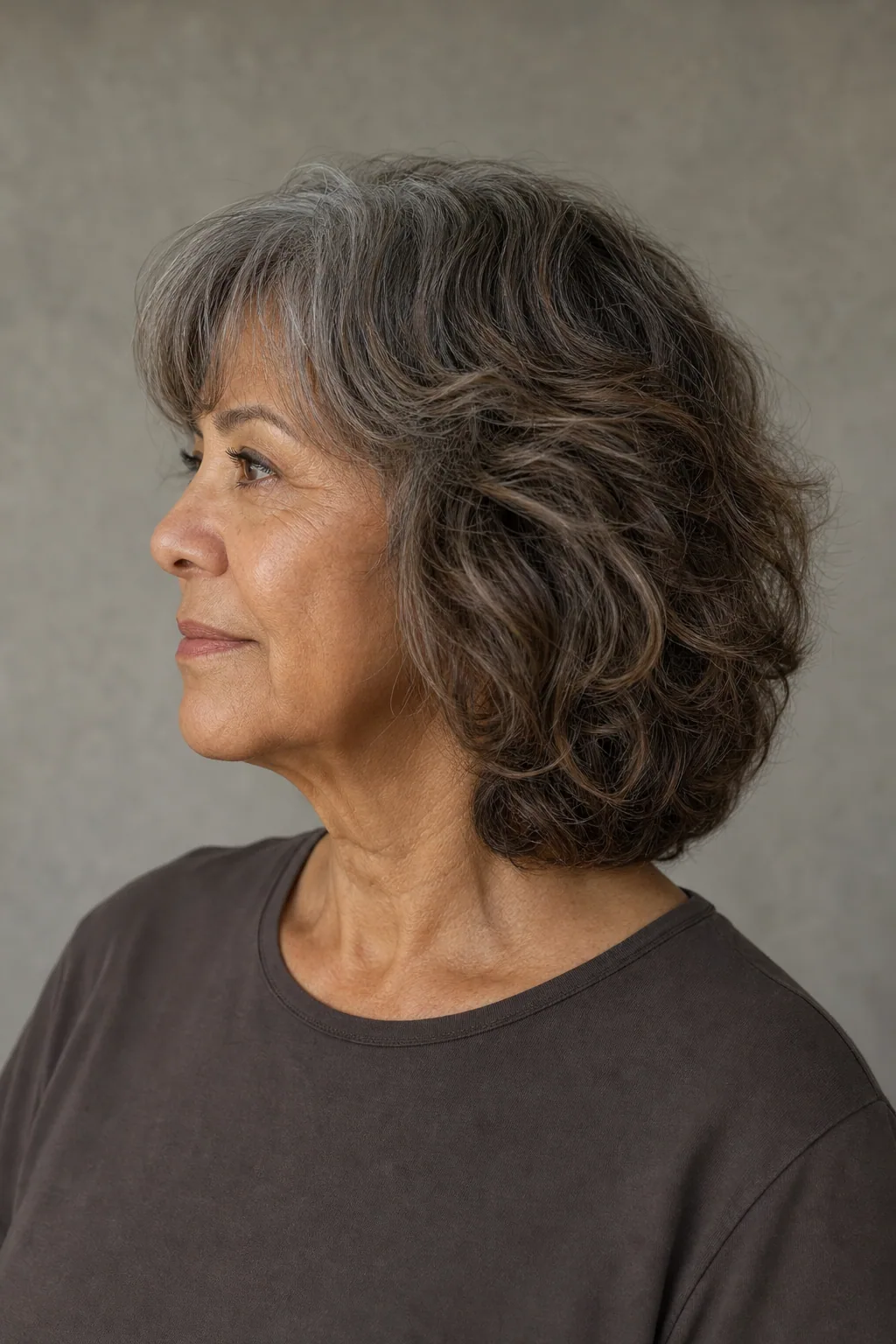
Gray Blending for Dark Hair: What to Ask For, Cost and Timeline
By Mickey Bolek, Owner and Lead Stylist, Michael Anthony Salon · Reviewed by Jules Peacocke · Updated November 2026 · 13 min read
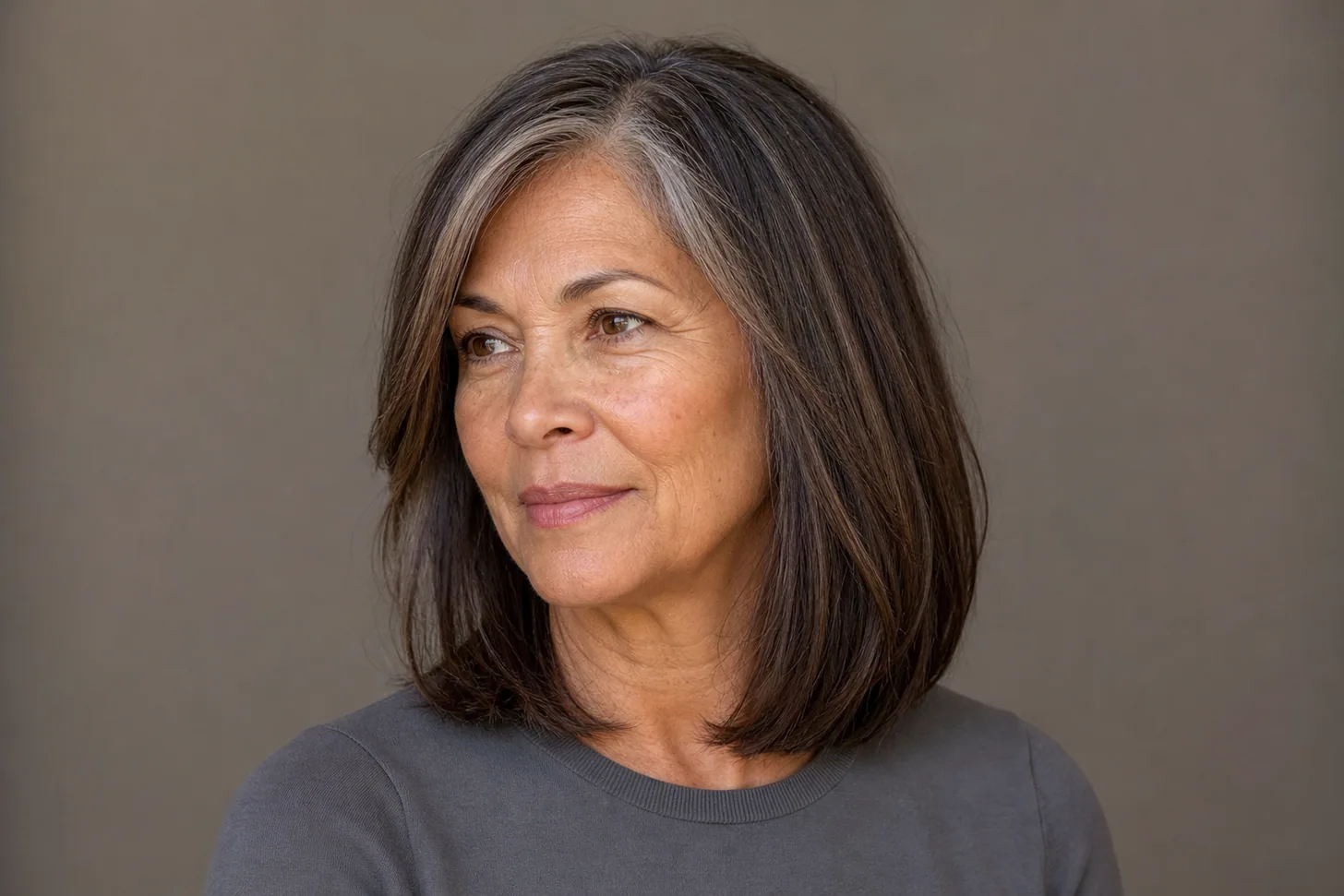
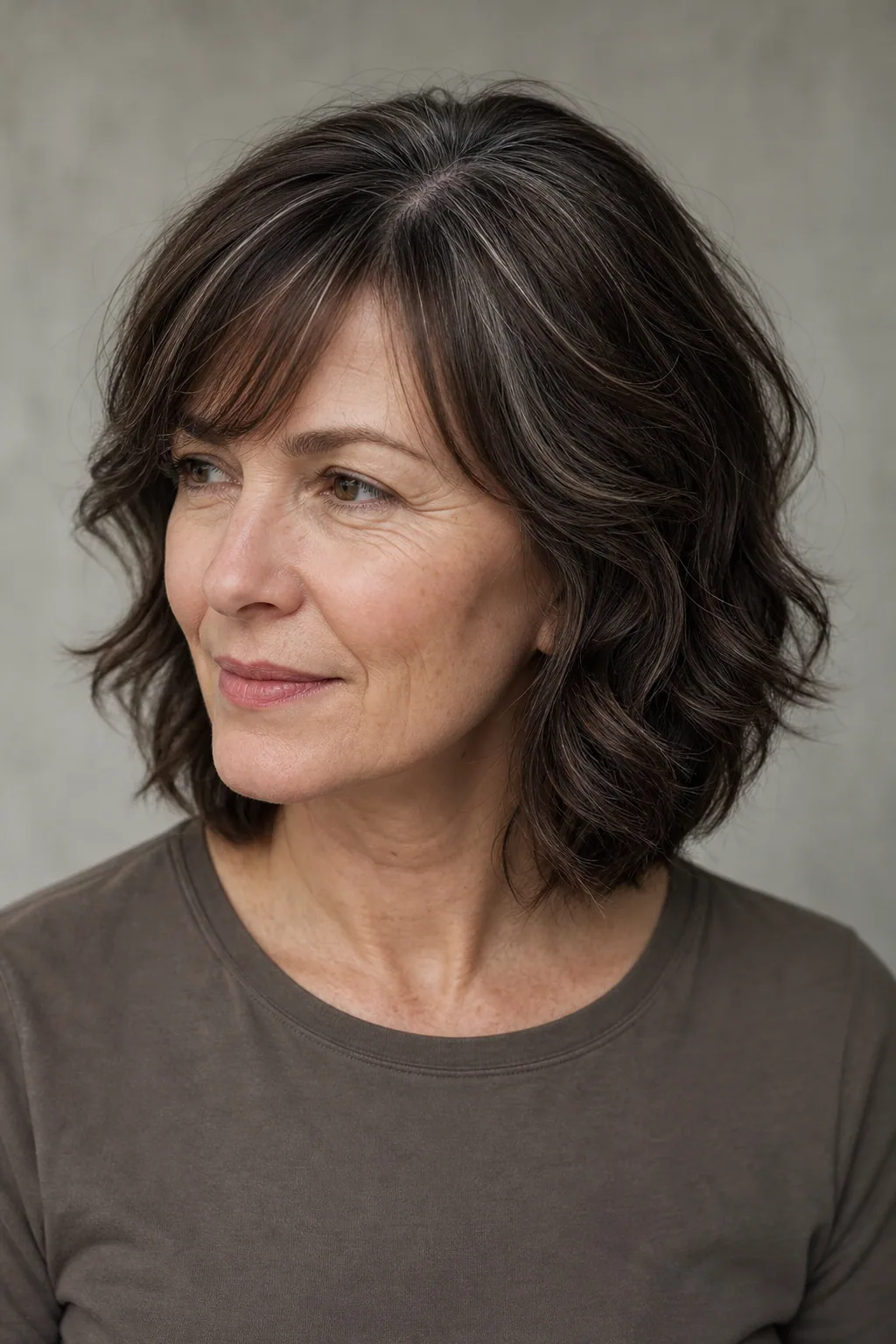
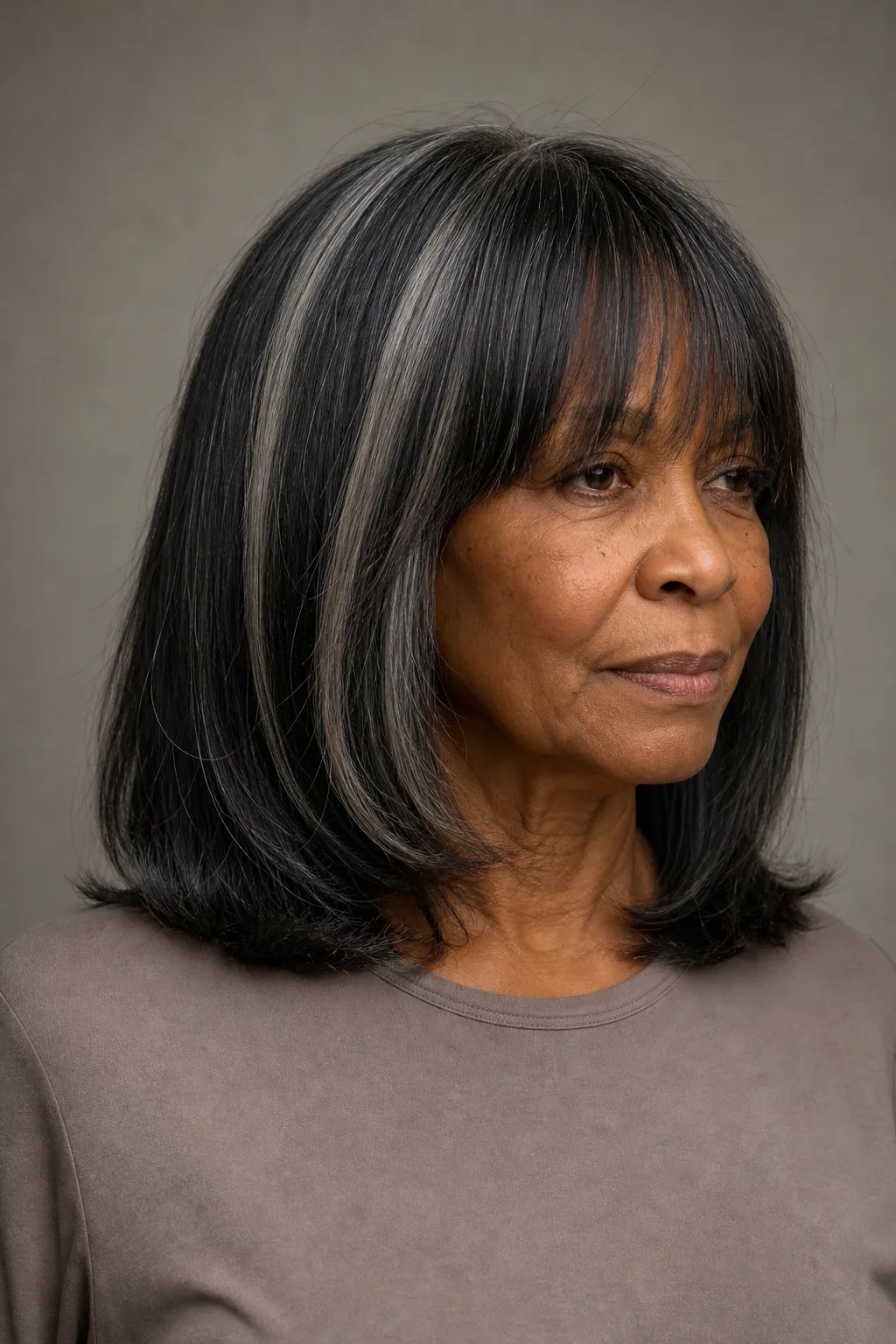
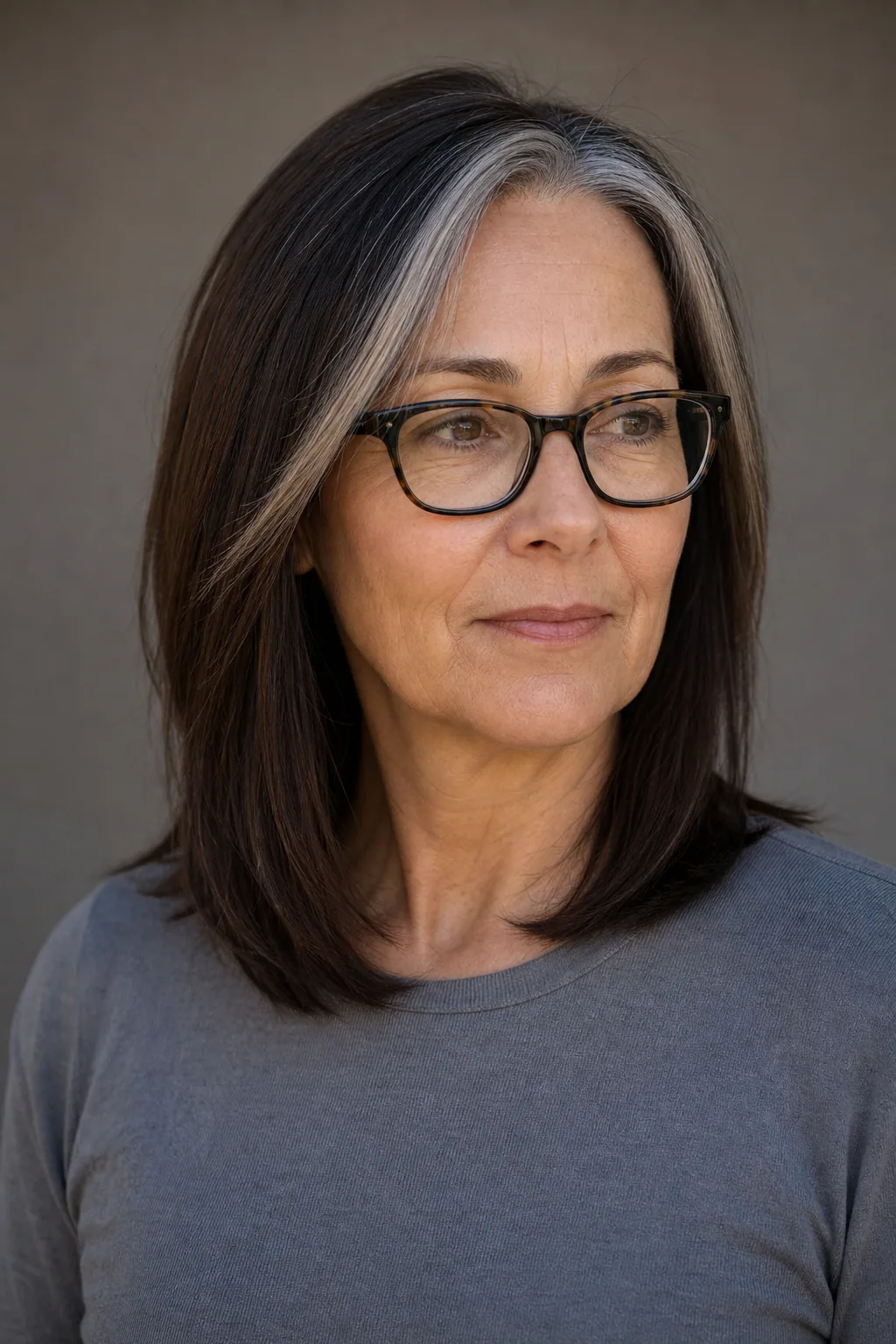
Gray blending softens the line between your dark color and the gray coming in, so regrowth is less visible and you can stop covering it every few weeks. On dark hair, blending is a mix of fine highlights and lowlights placed around the gray you already have. It is not lightening all of your hair and toning it silver. It suits women with dark brown, black or espresso hair who are tired of a stripe at the part and want gray to arrive gradually.
Below: what blending is and isn't, why dark hair needs its own approach, the techniques a colorist uses, French blending, visits and hours from each starting point, what drives the cost, eight blended looks, the words to bring to the chair and how to keep lightened brunette hair from turning orange. If your first grays are only just showing, our haircuts for women over 40 page covers the cut side of that stage.
Hairstyle images in this guide are AI-generated illustrations, not photos of real clients or results. See our image standards.
What Gray Blending Is, and What It Isn't
Gray blending adds fine highlights and lowlights around the gray you already have, so the line between your dark color and the gray disappears. It is not a full lightening to silver, and it is not a root touch-up that covers the gray. The aim is regrowth that looks like part of the color.
Approach
What happens
Regrowth line
Visits
Upkeep
Gray blending
Fine highlights and lowlights placed around the gray, plus a toner
Soft; there is no hard line
A few longer visits at first, then fewer
Refresh every 10–14 weeks, gloss in between
Root coverage
Permanent color painted on the new growth to match the rest
A hard line appears within 3–4 weeks
A short visit every 4–6 weeks
Never-ending; the gray is covered again each time
Going fully gray
Dyed lengths are lightened or grown out until only natural gray remains
Obvious until the dye is gone
Several visits over months, or one big chop
Little once complete; a gloss and toner for tone
A color strip
A color remover lifts old dye from the lengths
Not a regrowth fix; it evens out dyed hair
One long visit, often followed by a toner
Needs follow-up color to even out tone
Blending sits between covering the gray and growing it out. You can stop at blended, or use it as a bridge. If gray is where you're heading, our guides to hairstyles for women over 60 and hairstyles for women over 70 show the cuts that suit it once it arrives.
Why Dark Hair Needs a Different Approach
White hair against a dark base is the highest contrast there is, so a thin line of regrowth shows quickly, and lightening dark hair passes through red, orange and yellow before it softens. That is why the toner and your starting color decide the result as much as the highlights do.
Three things make dark hair different:
Contrast. On light brown or blonde hair, new gray blends in on its own. On black or dark brown it reads as a stripe at the part within a few weeks.
Warm stages. Dark pigment doesn't lift straight to a cool silver. It goes warm first, so a colorist stops at a shade the hair can hold and uses a toner to steer the tone.
Color history. Dark hair that has been covered with permanent color for years is the hardest starting point. Old dye can sit on the ends and lift unevenly, so the roots and the lengths may not match after one visit.
Box dye and darker-than-natural color are the hardest cases, because the colorist is working with color you chose, not the shade you were born with. Tell your colorist everything you have used, even if it was years ago.
The Techniques Your Colorist Will Use
Gray blending uses four tools: fine highlights, lowlights, a toner and, if you want it, brightening around the face. Each is placed to make gray look like a deliberate part of the color.
Fine highlights (babylights). Very thin strands of hair are lightened in a slim, repeating pattern. Done finely, they make the new gray look like one more soft strand rather than a stripe.
Lowlights. Strands are colored a shade or two darker than the highlighted hair, and sometimes darker than the gray. They add depth, so the blend doesn't look flat or too light, and they are the main tool when the head is already mostly gray.
A gloss or demi-permanent toner. A toner is a sheer, shine-adding color that sits on the surface and is applied after lightening. It cancels brassy warmth, deepens the shade or adds ash. Demi-permanent color fades over weeks rather than growing out as a line, which is why it is often used for blending.
Face-framing brightening. The sections around the face and part are lightened or painted slightly brighter. It is where gray shows first and where the eye goes, and it is the quickest part to do.
A colorist usually places fine highlights around the thickest patches of gray and lowlights where hair is still dark, so the two meet. The more precisely they follow your own gray pattern, the less the blend looks applied.
French Blending
French blending is a softer, hand-painted way of blending gray into dark hair, with more diffused color and fewer sharp stripes than foil highlights. You may see it on a menu or hear it from friends. It's worth asking for by name, and worth asking what your colorist means by it, because salons use the term for slightly different techniques.
What it should give you: color brushed on by hand, not folded in foil, so the lightest pieces melt into the base without a clear start. That makes grow-out gentler. What it won't do is cover all the gray, or lighten dark hair in one visit. If you have a great deal of gray at the front, you may still need fine highlights or lowlights added to it.
How Long It Takes: Visits and Timeline by Starting Point
How long blending takes depends on your starting point: natural dark hair with some gray can be blended in one or two visits, while box-dyed black hair can take several long appointments over months. The hours below are for the whole appointment, with toning and a cut or blow-dry, and they vary with length and density.
Starting point
Visits to a blended result
Hours per visit
Months until regrowth is easy
Natural dark hair with some gray
1–2
2–3
1–3
Dark hair kept covered with permanent dye
2–3
3–4
3–6
Box-dyed black or very dark hair
3–4
4–6
6–12
Mostly gray already
1–2
2–4
1–3
A full transition from dyed dark hair can take several long appointments, and colorists tend to space them a few weeks apart so the hair isn't pushed too far in one go. Two things shorten it: a shorter cut, because dyed length is cut off sooner (see short haircuts for women over 60 and short haircuts for women over 70), and a colorist who has seen your history before you start.
If you color at home, stop at least a few weeks before the first appointment if you can, and bring the box or the formula you used. A strand test can then show how the old dye will lift.
What Gray Blending Costs
Gray blending is priced as a highlight and lowlight service plus toner, by time, hair length, density and color history, so there is no single figure. It usually costs more per visit than a root touch-up and far less often, because there is no line to cover every month.
What moves the price:
Time in the chair. Fine highlights take longer than a few broad pieces, and the first visit takes longest.
Length and density. More hair means more product and time. Thick or long hair costs more to blend.
Color history. Dyed hair that needs color lifted out first adds steps, and sometimes more visits.
Who does it. A lead stylist or a colorist with a senior title is priced above a junior one.
What's included. Ask whether toner, a trim and a blow-dry are in the quote.
Ask for a consultation before you book, and for a written quote for the first visit and the follow-ups. Over a year, fewer visits can offset the higher cost of each one, so ask how many refresh visits to expect and how long the toner usually lasts.
Gray Blending Looks for Dark Hair
These eight blends are grouped by technique, hair type and stage. Bring a photo, but also bring the words that go with it.
1. Fine Silver Babylights on Dark Brown Hair
Babylights are very fine highlights, woven in thin slivers so they read as a soft shimmer rather than stripes. Placed around the gray you already have, they make new gray look like part of the color. This suits dark brown hair with gray scattered through it. Ask for "fine babylights close to my natural level, with a gloss so they don't go orange."
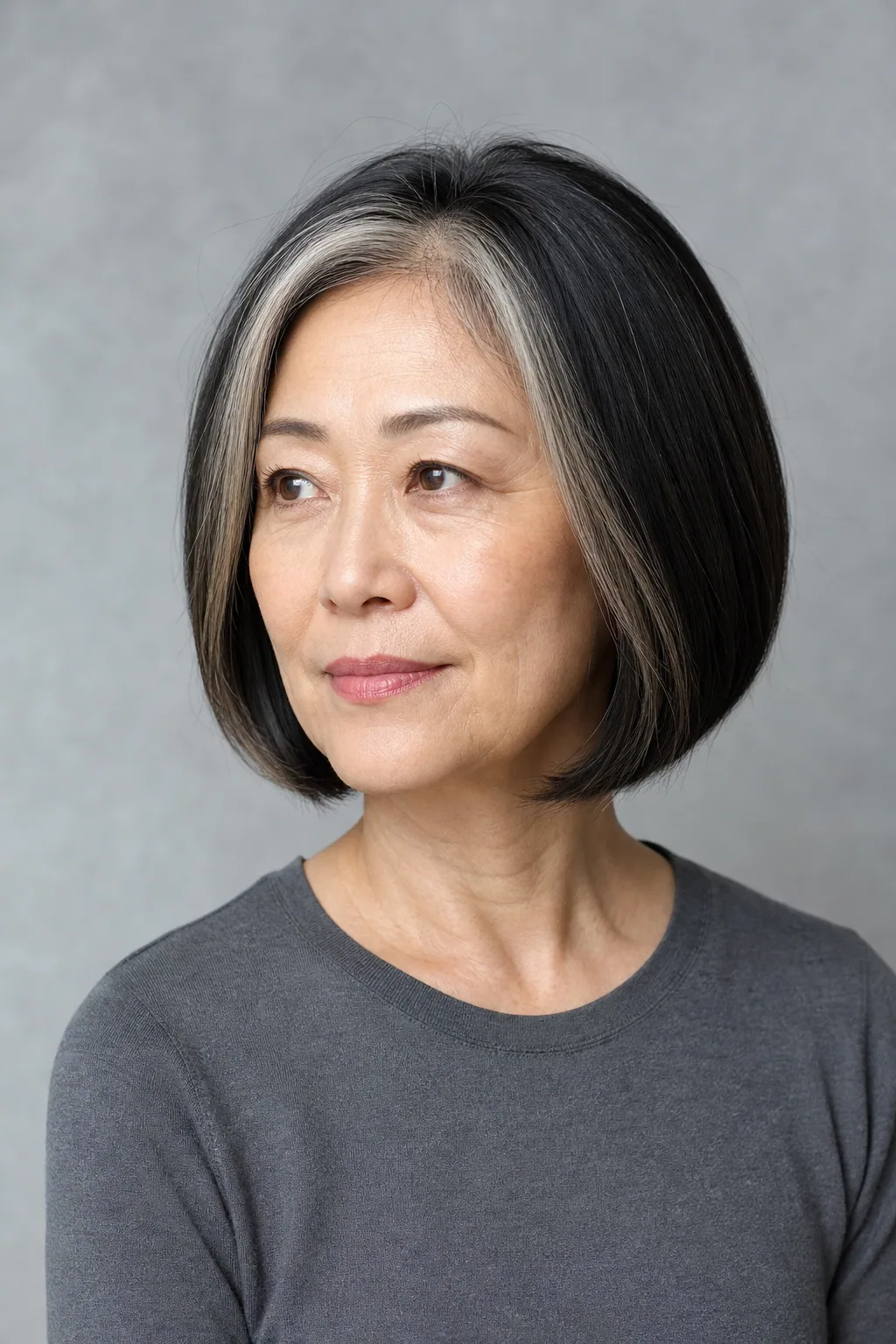
2. Salt-and-Pepper Ribbons on Black Hair
Black hair has the strongest contrast, so this look doesn't go for a big lift. A few soft ribbons (slightly wider pieces) are lightened to a pale ash, with fine lowlights between them, so the result reads as salt and pepper rather than highlights. It takes more than one visit. Ask for "a few soft ribbons of pale ash, the rest left dark, my gray showing through."
3. Face-Framing Brightening Around a Gray Hairline
Gray often shows first at the temples and along the part. Brightening only the front sections, and leaving the back your natural color, is the shortest blending appointment and a good first step if you're not sure about the whole head. Ask for "brightening in the front two inches, melted into the gray at my temples."
4. Lowlights Woven Through Mostly Gray Brunette Hair
Once gray is most of the head, the job reverses: instead of adding light, you add depth. Lowlights, a shade or two darker than the gray, are woven through so the remaining brunette shows as dimension rather than a flat base. It suits women moving toward gray in stages. Ask for "lowlights in my natural brown, spaced so the gray stays visible between them."
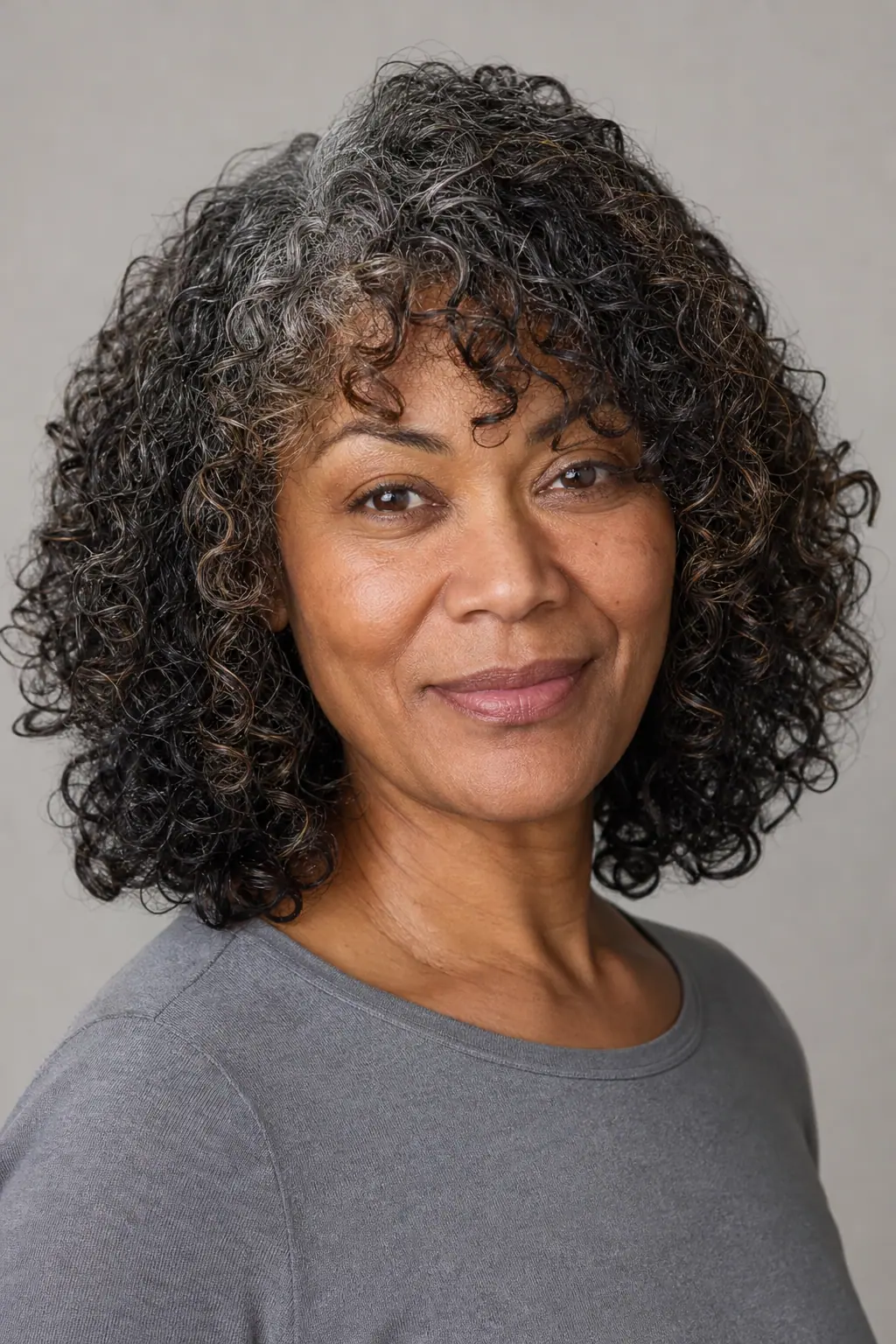
5. Hand-Painted Blending on Dark Curly Hair
On curls and coils, hand-painted color is brushed onto the surface of the hair rather than wrapped in foil, so the colorist can follow where each curl falls and place the brightness where it will show. Gray on curly hair often grows in coarser and more springy, so a toner that keeps it from yellowing matters. Ask whether it can be painted on dry hair, curl by curl.
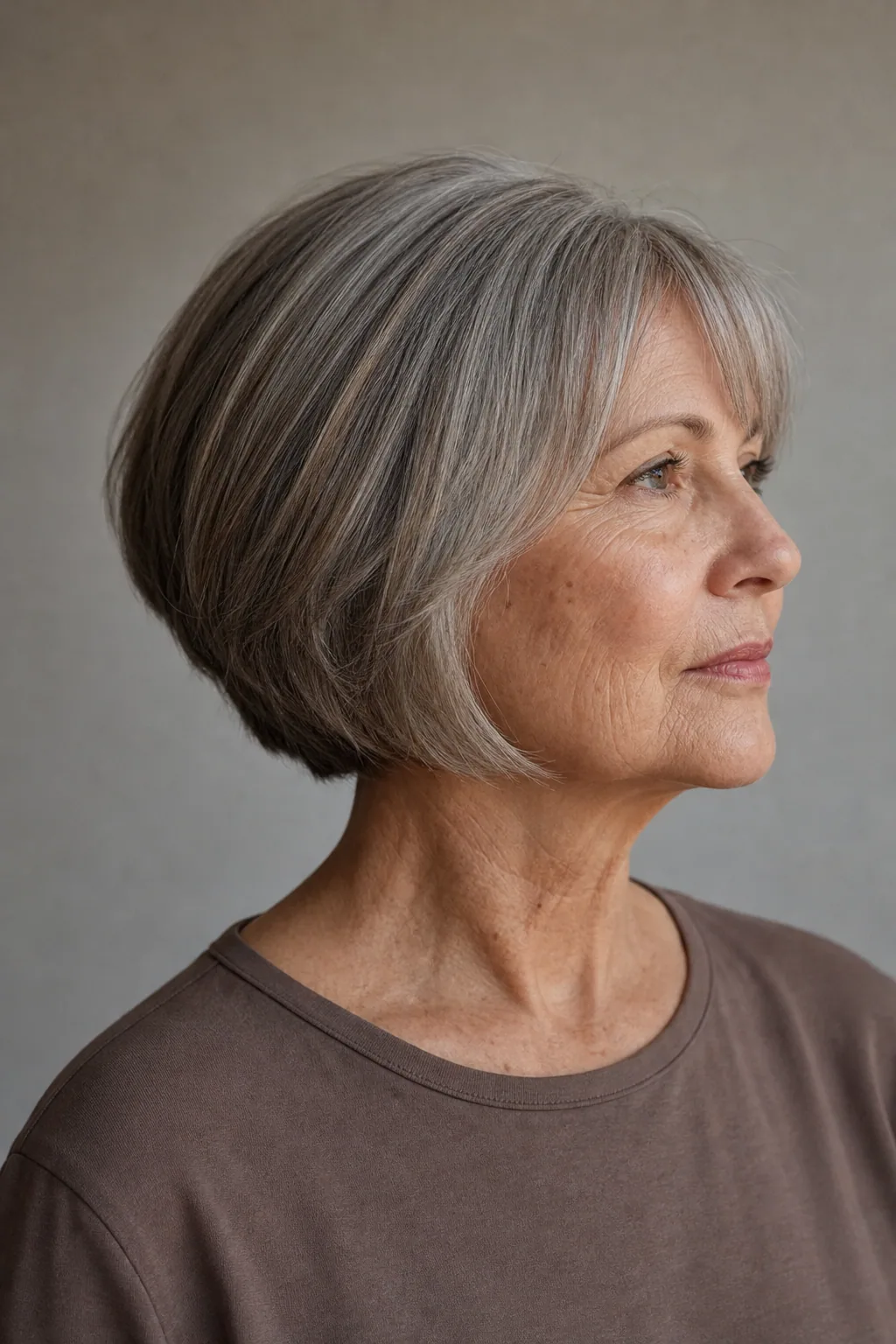
6. Soft Blending on a Dark Bob
A bob has little length, so regrowth shows quickly and the blend is seen all around the perimeter. Keep the brightest pieces near the face and the part, and leave the underneath darker, so the shape keeps its depth. Because short hair grows out sooner, each trim takes away some of the old color. Ask for "blending at the part and around the face, darker underneath."
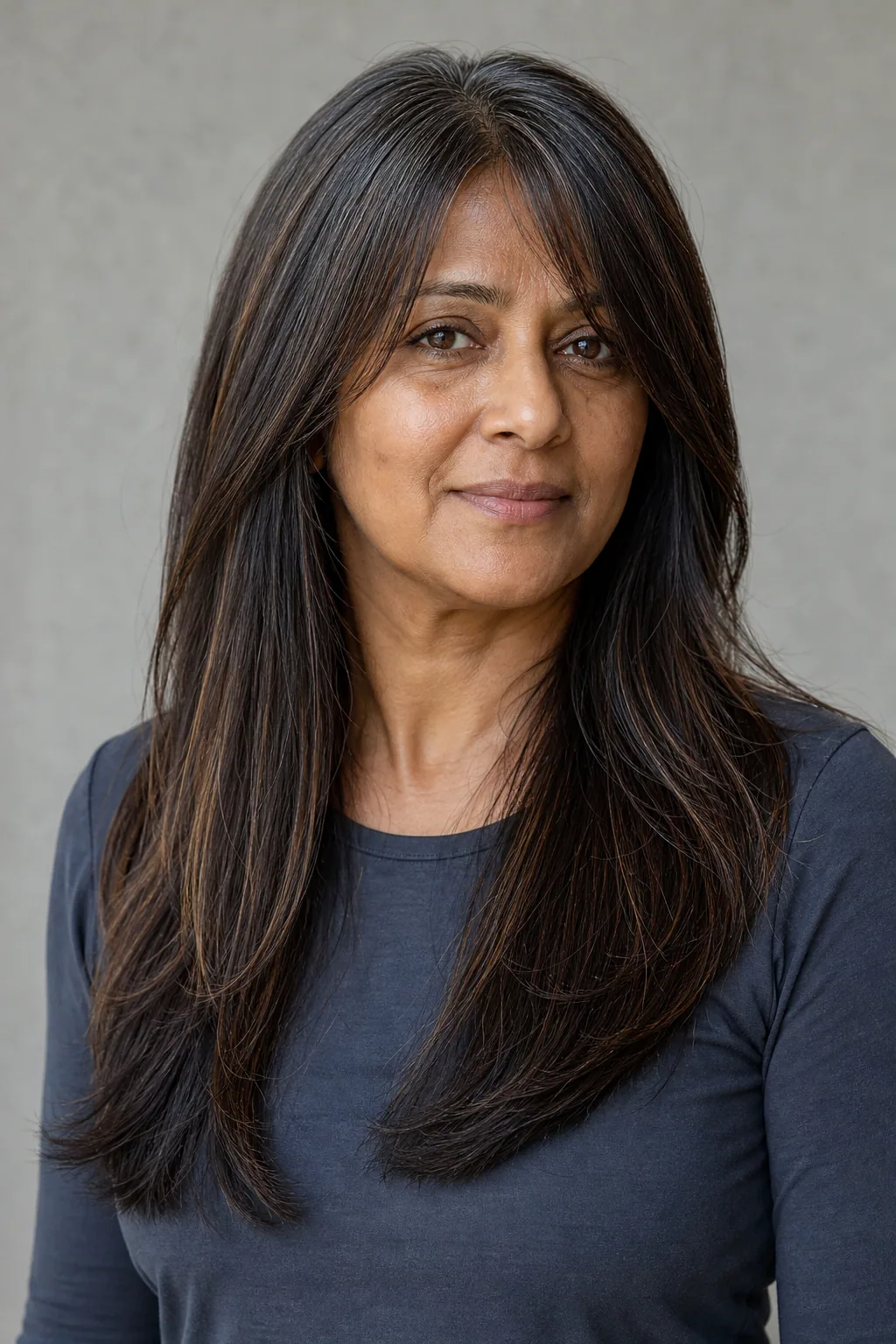
7. Espresso-to-Silver Grow-Out Blend for Long Hair
On long hair, the ends hold the oldest dye. This look blurs the root with a root smudge, a deliberately soft, blended root color, and adds fine highlights through the mid-lengths, so you can wait for the new silver instead of covering it. The dark ends are trimmed off over the year. Ask for "a slow grow-out, brighter at the roots, with the dark ends cut away in stages."
8. Ash-Brown Blend on Coarse Wavy Hair
Coarse gray can take color unevenly, so this look is built around an ash-brown demi-permanent gloss over soft highlights, to keep the tone cool and consistent. Ask for a strand test first, to see how your hair takes the toner. It suits dark wavy hair with a lot of gray at the crown, and it needs a gloss refresh every 6–10 weeks to hold its tone.
What to Ask Your Colorist
Bring words, not just a photo: your color history, how much gray you want showing, and the techniques you expect. A photo of silver on someone with a different starting color can send the appointment in the wrong direction. Say these out loud:
"Here's everything I've put on my hair, including box dye, and when." Bring the box if you have it.
"I want my gray to look blended, not covered. How much should still show?"
"Will this be highlights, lowlights or both, and why?"
"What toner will you use, and how long will it last before it needs refreshing?"
"How many visits will it take to get there, and how long is each one?"
"What will it cost for the first visit and for each refresh?"
"Can I have a patch test before the first color service?" Do this at least 48 hours ahead, especially if you have never had hair color.
"How will it grow out if I stop coming in?"
Keeping Blended Dark Hair From Turning Brassy
Lightened brunette hair turns orange, and lightened gray turns yellow, so each needs a different corrective shampoo and a regular gloss. Home care is simple, and the choice is by category.
What you see
Product category
How to use it
Orange or copper tones on lightened brunette
Blue shampoo
Once a week or as needed, left on for a couple of minutes
Yellow tones on white or silver strands
Purple shampoo
Once a week or less; too much can leave a gray-lilac cast
Color fading and dullness
Color-safe, sulfate-free shampoo and a conditioner
Every wash
Tone drifting warm
Salon gloss or toner
Every 6–10 weeks
Heat damage and frizz
Heat protectant
Before every blow-dry or hot tool
If you see both orange and yellow, ask your colorist which to use and where, rather than layering both. Swimming, hard water and sun can speed up fading, so a gloss at the salon, not another bottle at home, is usually the fix.
Frequently Asked Questions
How much does gray blending cost?
It's priced as a highlight and lowlight service plus toner, so it depends on time, hair length, density and color history. Expect it to cost more per visit than a root touch-up, but fewer visits a year. Ask for a quote for the first visit and for each refresh before you book.
Is gray blending worth it?
It's worth it if you're tired of a stripe at the part and want to stop covering gray every few weeks. It isn't worth it if you want every gray strand hidden. A consultation will show how much gray you have and how it would blend.
When should I start gray blending?
Start when the regrowth bothers you more than the color helps, which for many women is when gray is a visible line within three or four weeks of a root touch-up. You don't need much gray to begin. Tell your colorist whether you plan to keep your color or go fully gray.
How long does gray blending last?
The blend itself grows out softly, so many women go 10–14 weeks between refreshes. The toner fades faster, in about 6–10 weeks. A gloss in between keeps the tone clear and you can stretch the visits.
Does gray blending damage dark hair?
Lightening dark hair does take some strength from it, and the more you lighten, the more care it needs. Fine highlights around the gray lighten less hair than an all-over lift. Ask for a conditioning treatment and keep trims regular.
Can I do gray blending at home?
Not reliably. Dark hair lifts unevenly and goes warm, and a box kit can't place fine highlights around your own gray. If you must do something at home, a semi-permanent gloss in a close shade is the lowest-risk choice. Do a patch test first.
What's the difference between gray blending and highlights?
Highlights lighten hair for a lighter look. Gray blending uses highlights and lowlights in a pattern that follows your gray, so the new growth blends in. The same technique can serve either aim, but blending is planned around the gray you have.
Results vary with hair type, density, texture and starting color. This guide is educational and is not a substitute for an in-person consultation with a licensed stylist. Color services can cause allergic reactions, so ask your stylist for a patch test before your first service.
 Grace