Youthful Hairstyles Over 50: 14 Cuts That Lift and Brighten
By Coral Pleas, Founder of Cutting Loose Salon · Reviewed by Melissa Timperley · Updated November 2026 · 14 min read
A youthful haircut over 50 has lift at the crown, movement at the cheekbone and softness at the jaw: the three places where hair flattens, drops or hardens as it changes. No cut changes your age, and none adds hair you do not have. What a cut can do is move the eye up and out instead of down and in, and that is the whole of what "youthful" means here.
Below are 14 youthful hairstyles for women over 50, grouped by length and texture, with the reason each one works, who it suits and the salon words to ask for. If you want the whole range of cuts first, start with haircuts for women over 50. If you are looking for short cuts specifically, our guide to short haircuts for women over 50 goes through them one by one.
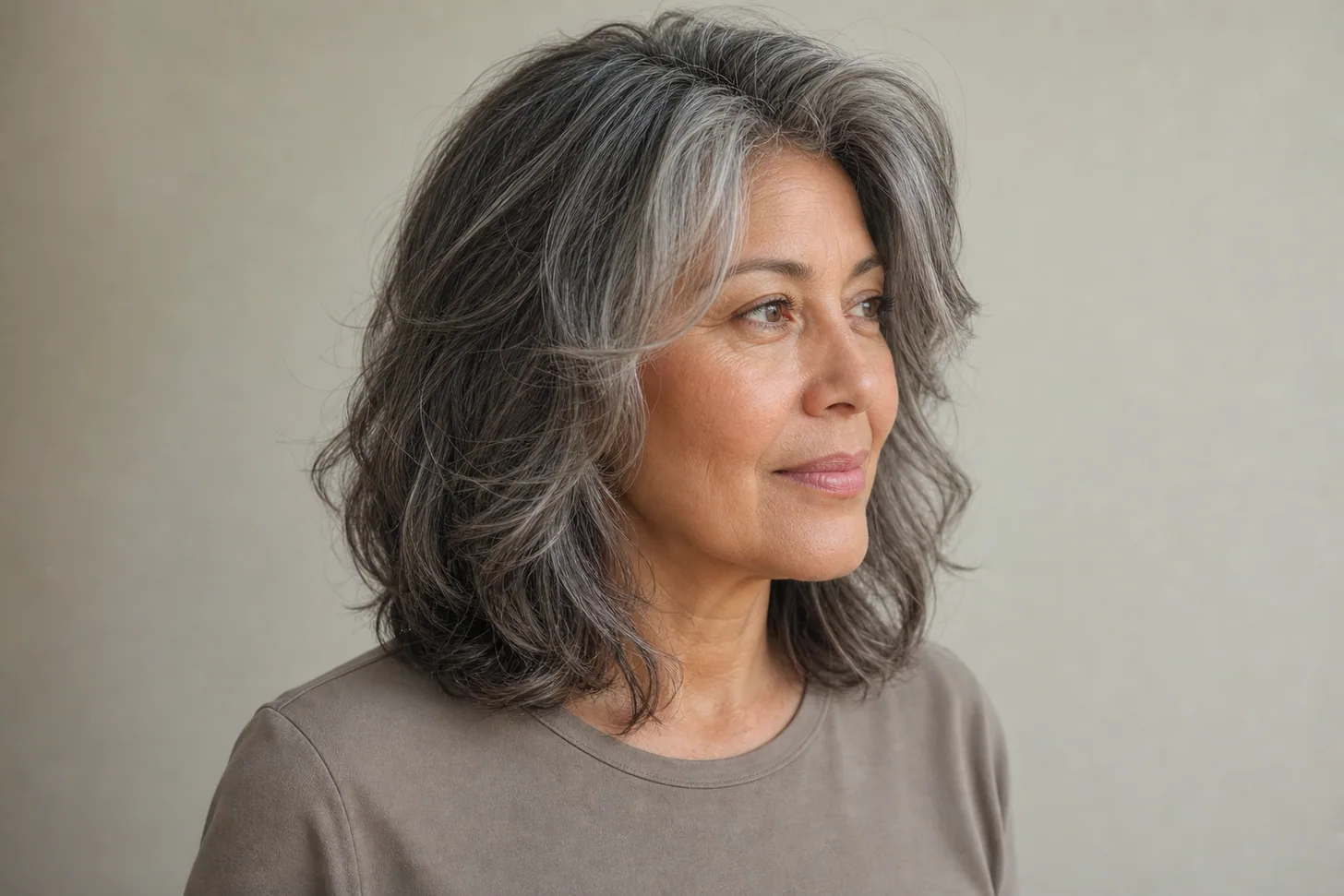
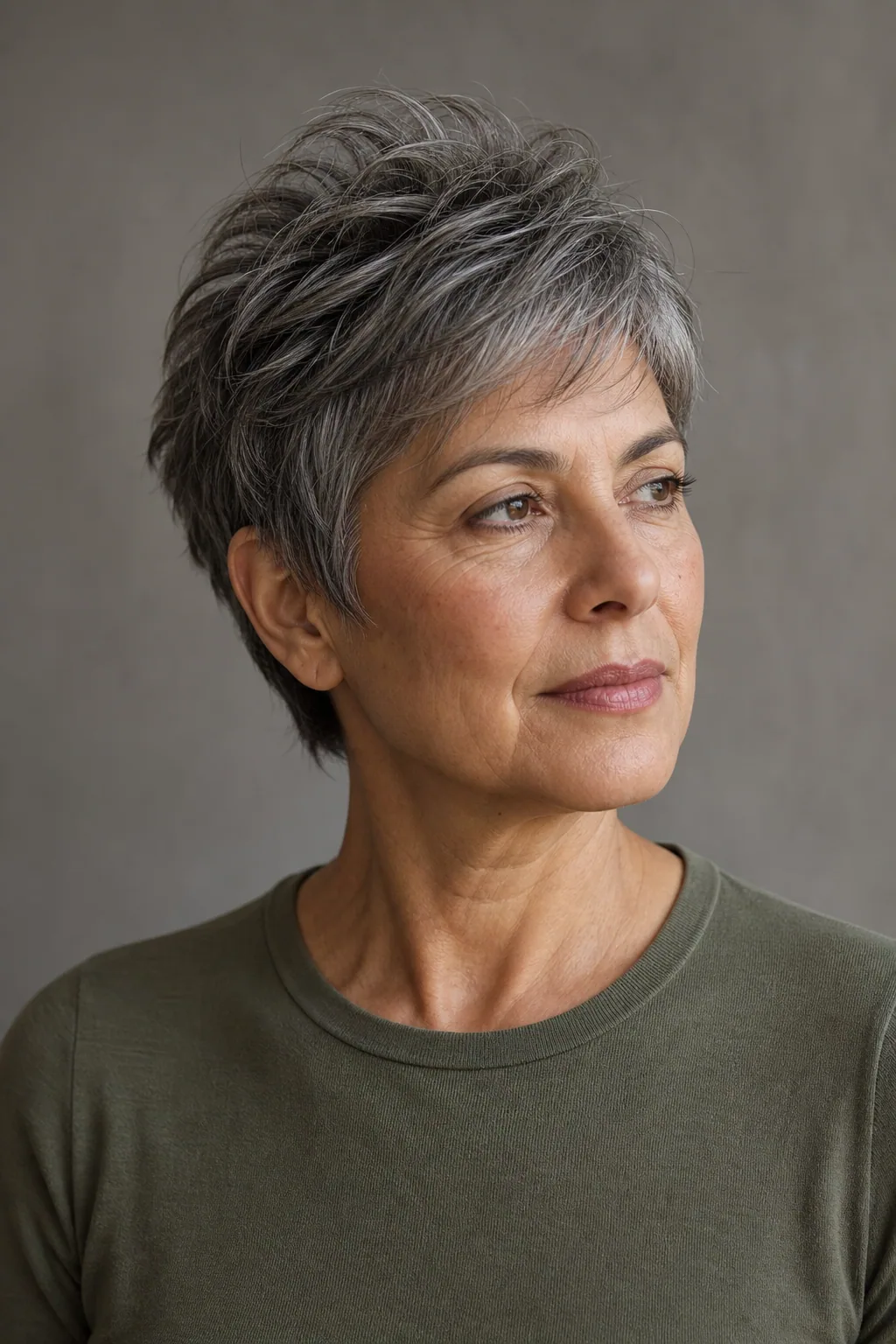
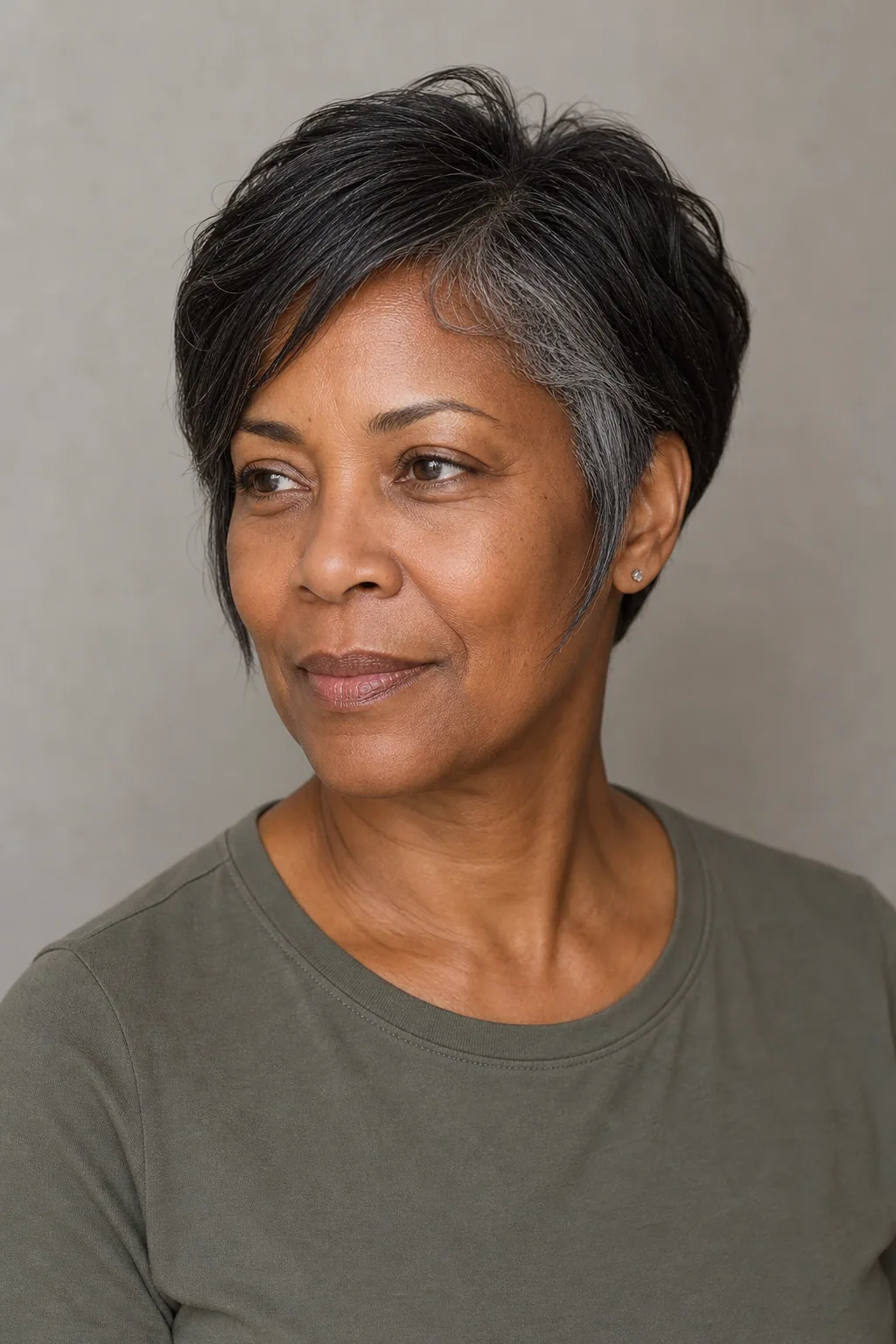
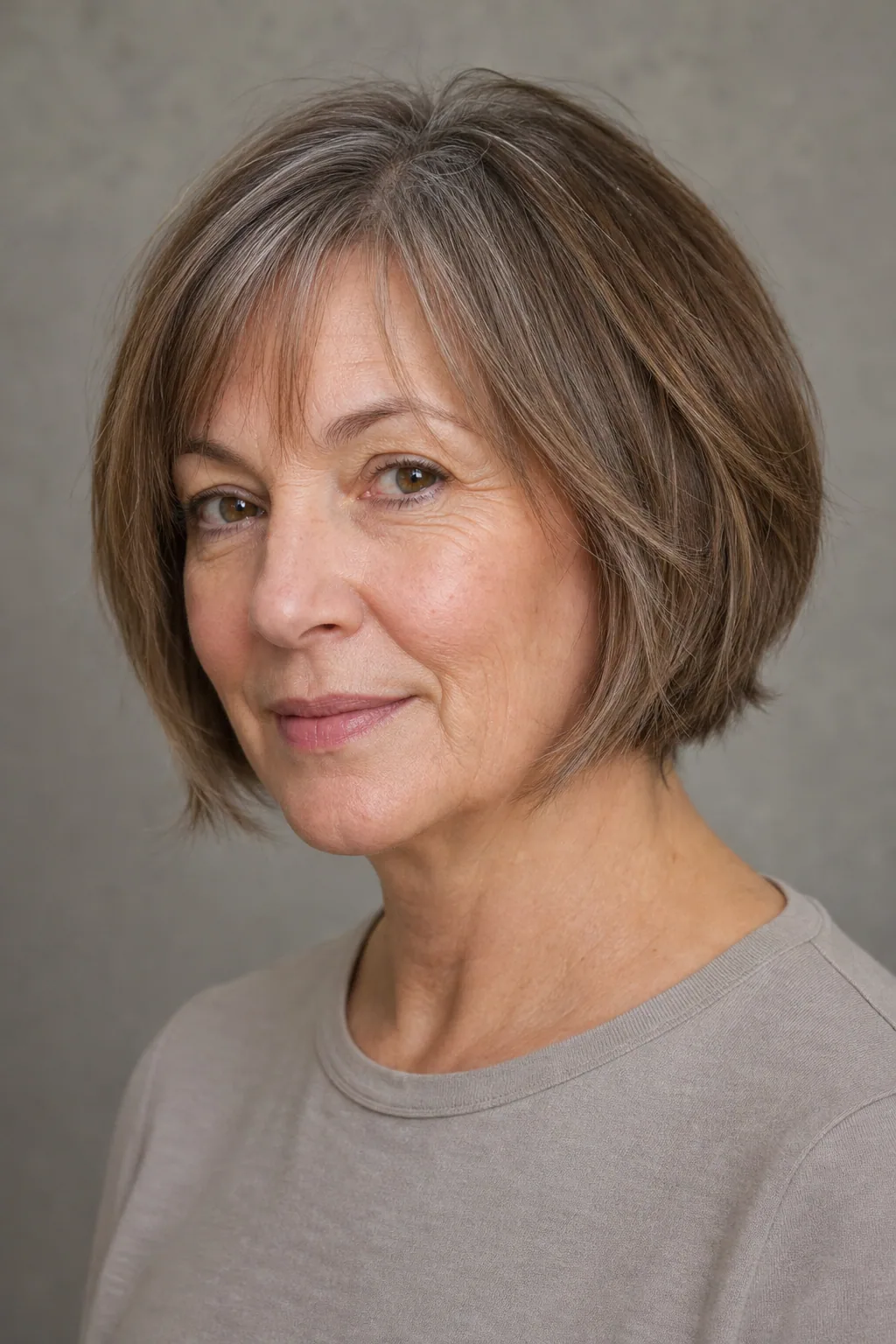
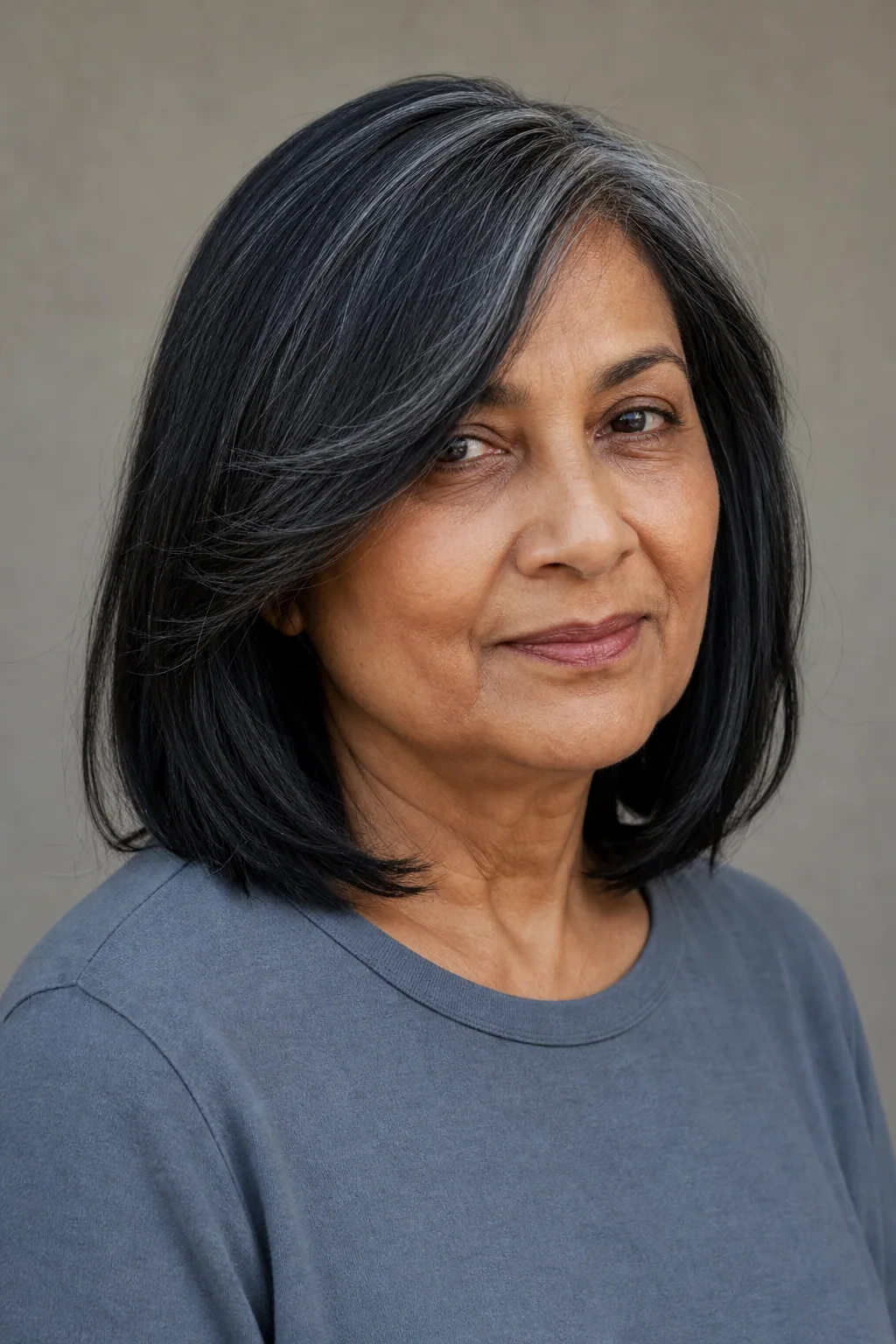
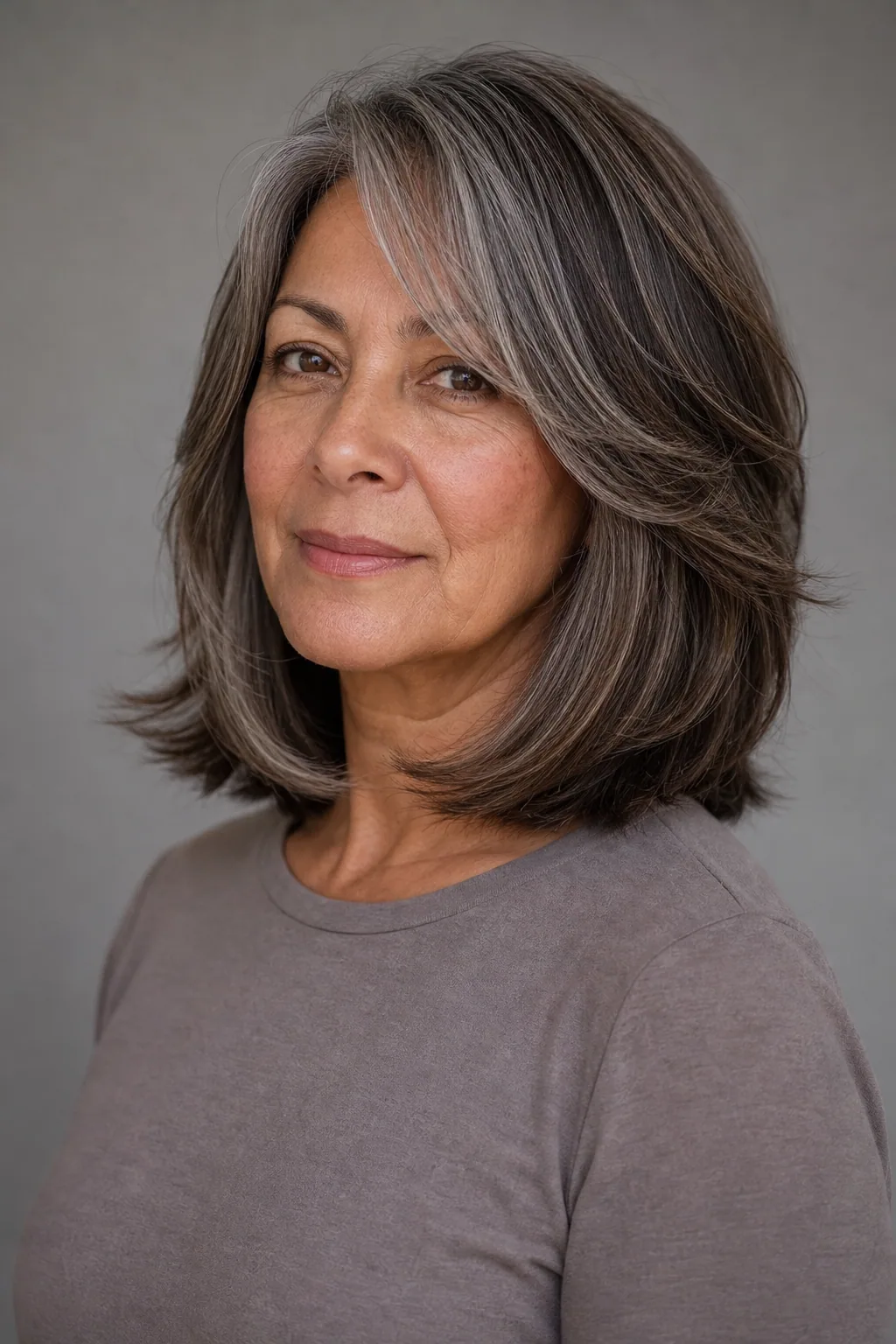
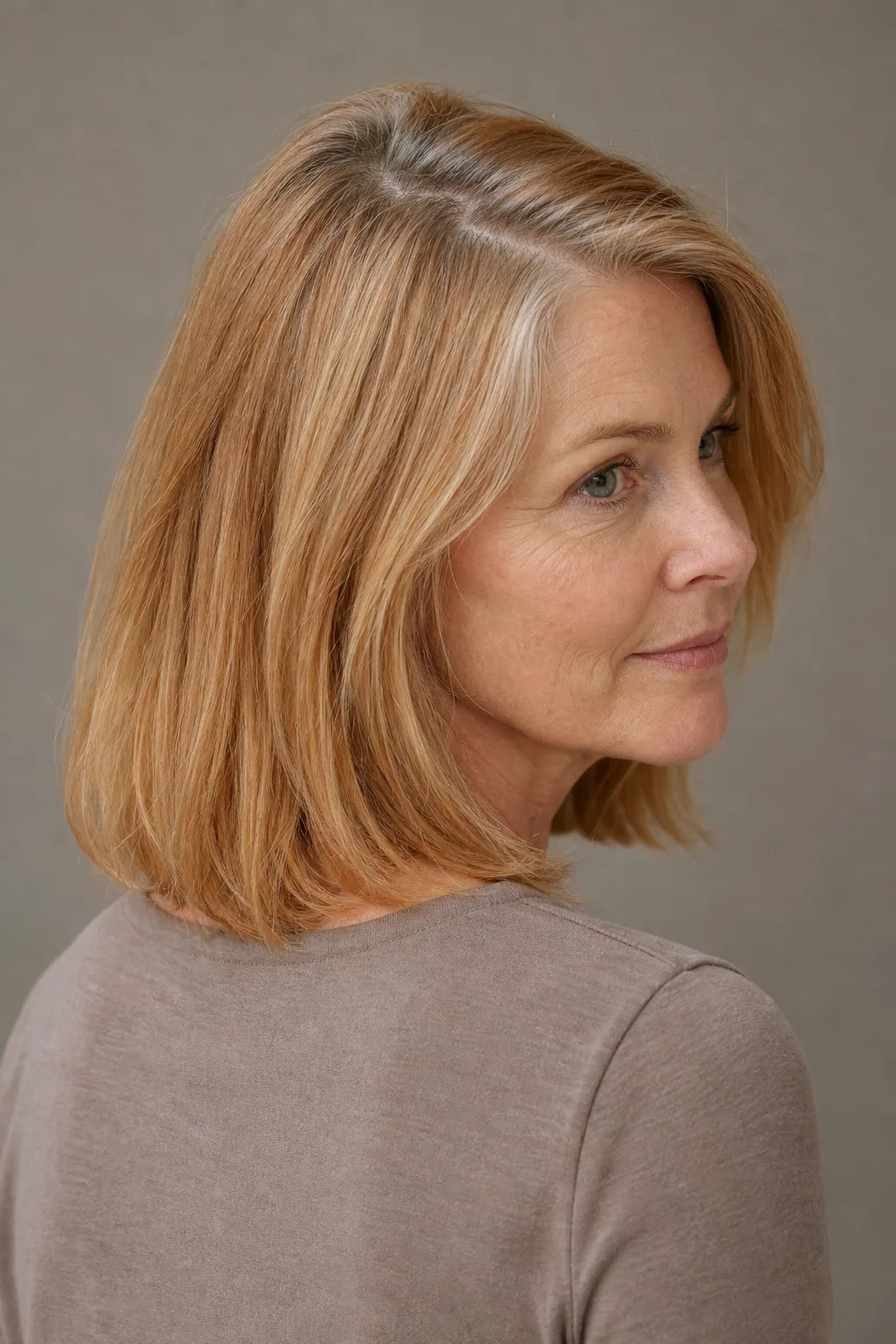
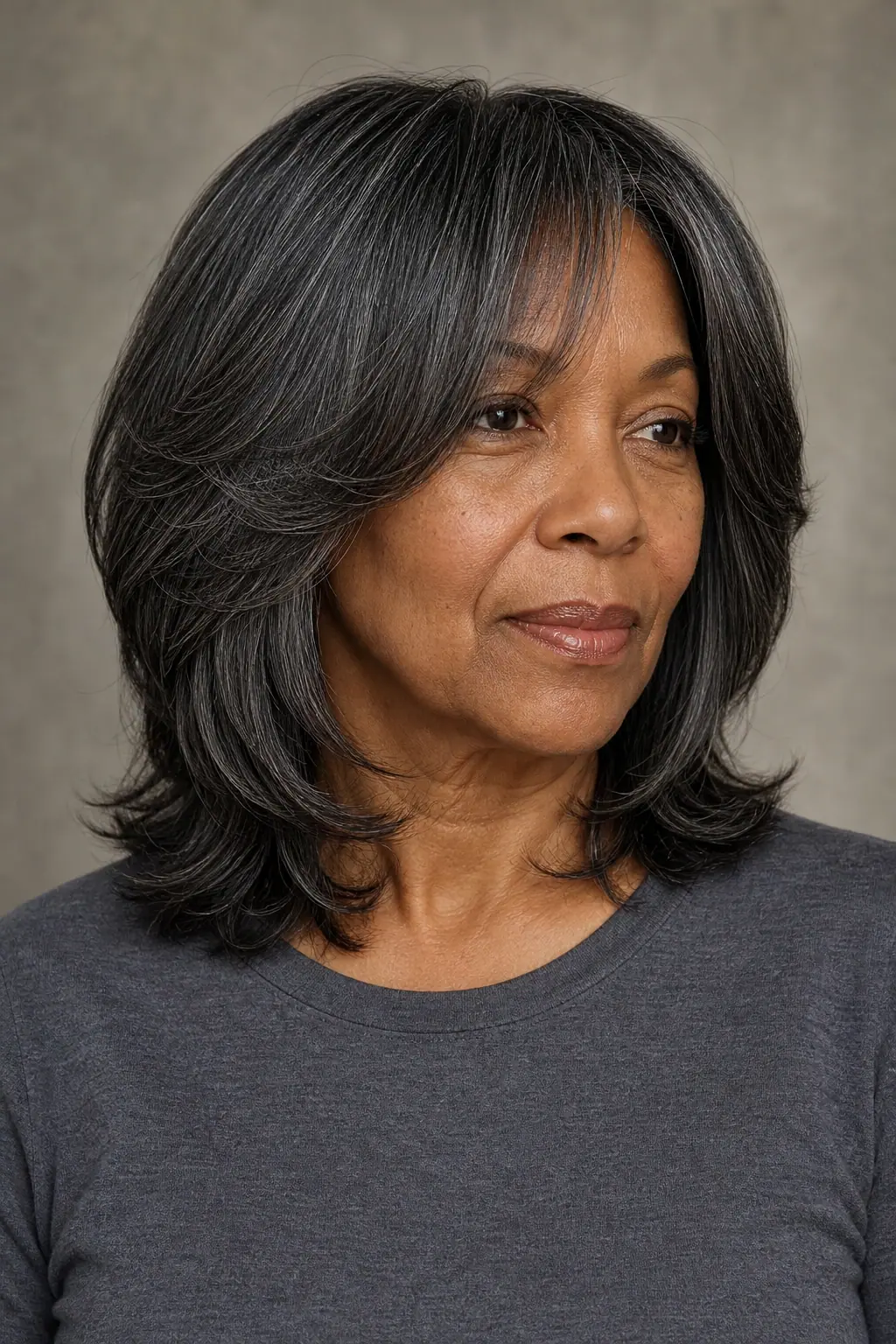
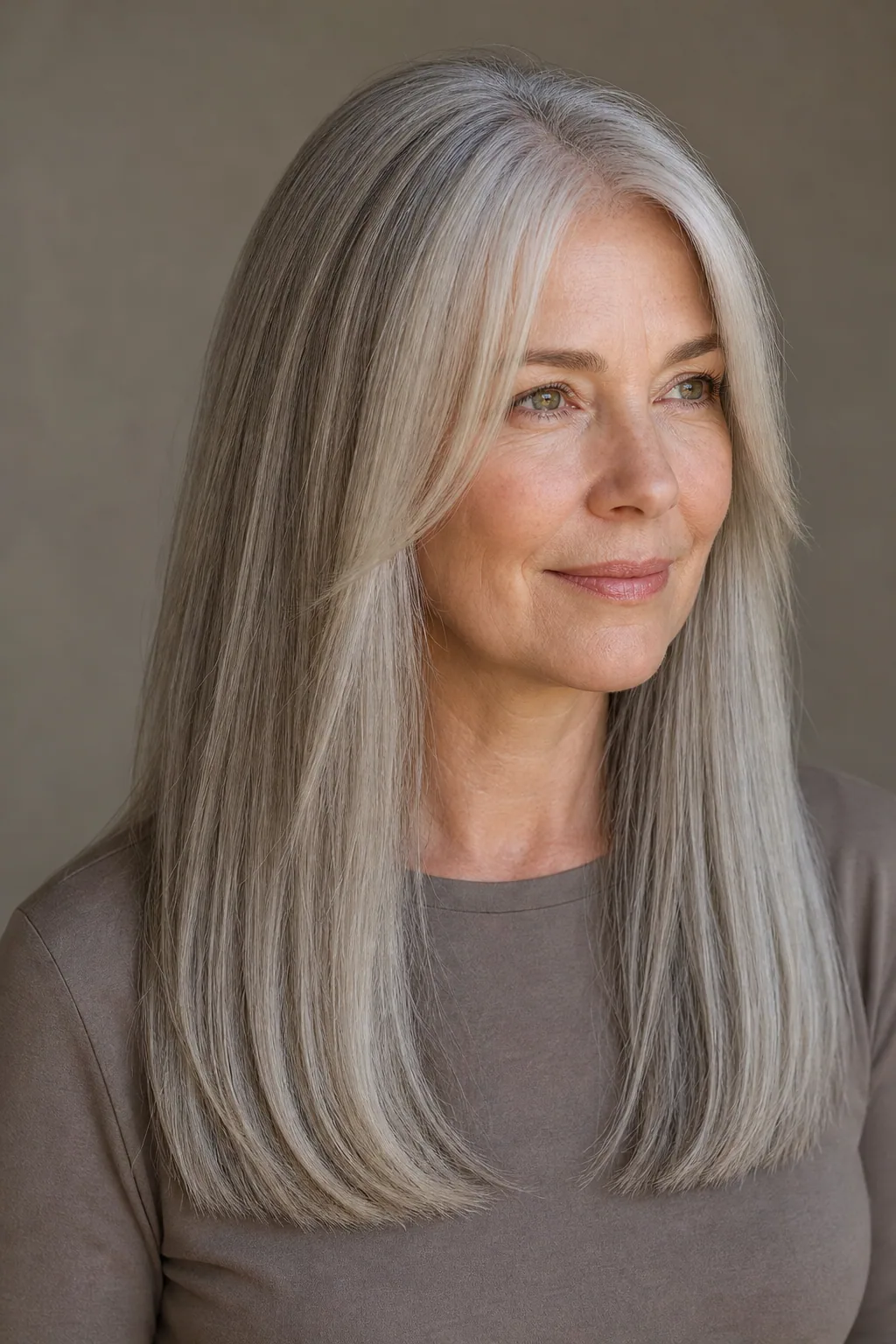
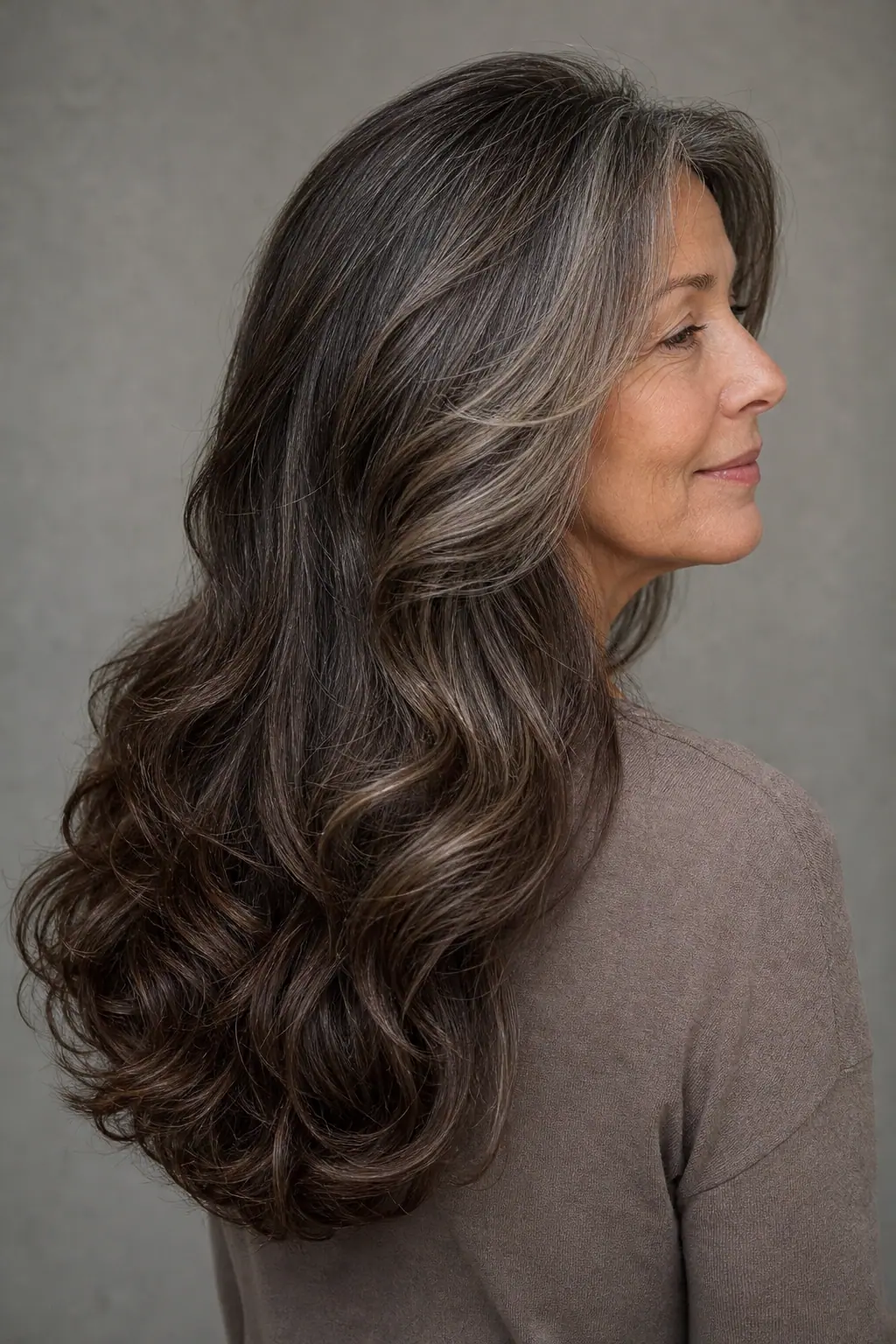
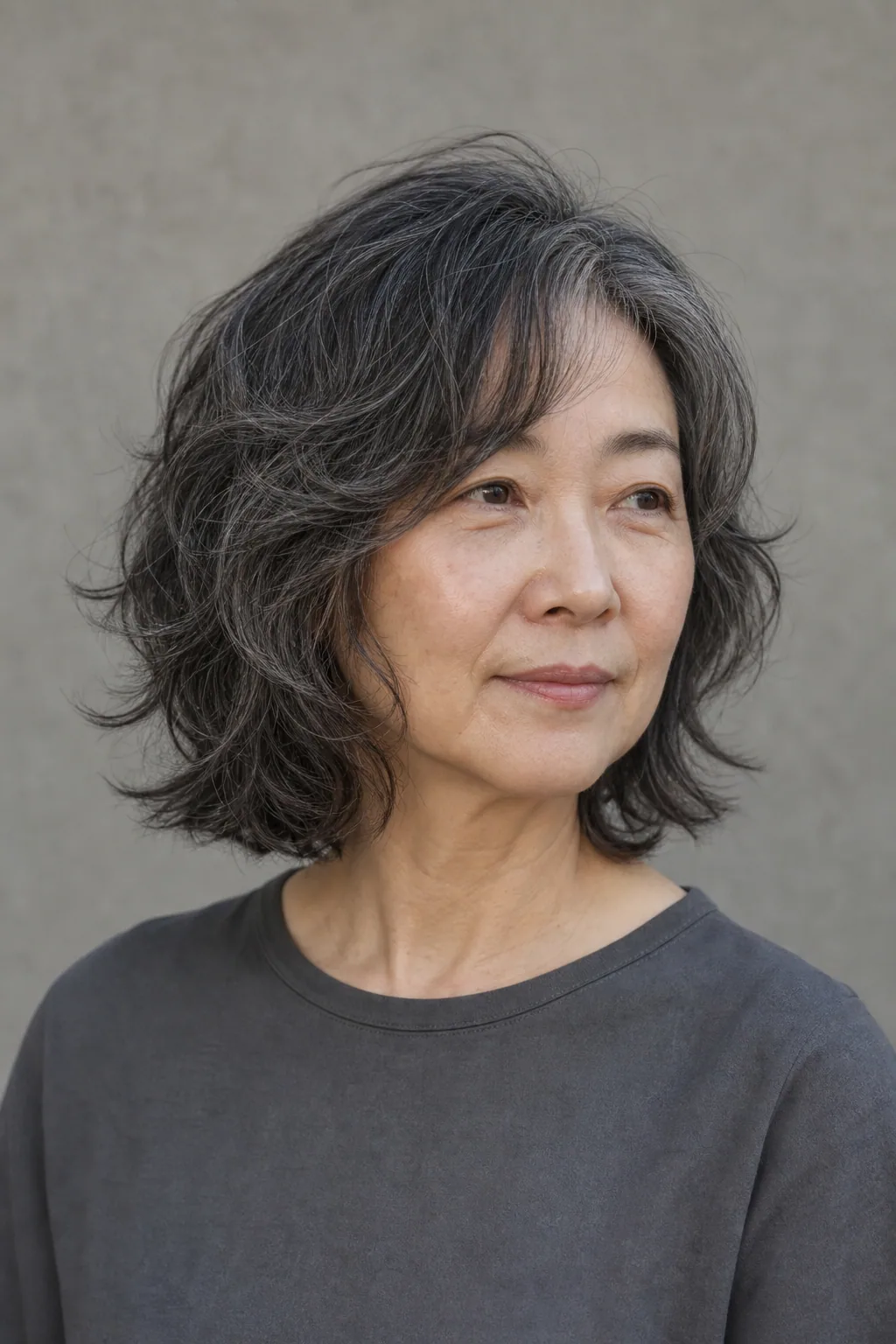
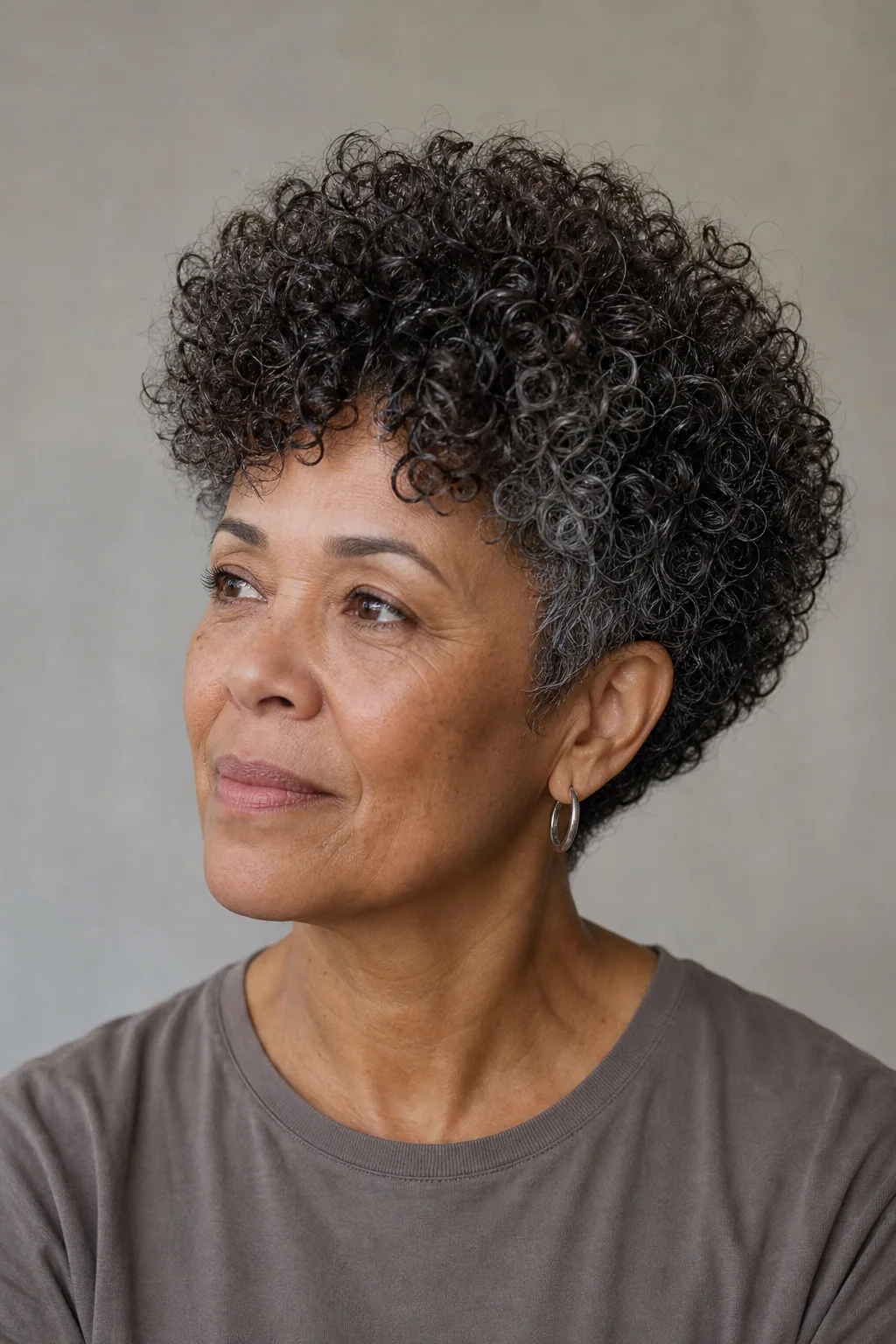
Hairstyle images in this guide are AI-generated illustrations, not photos of real clients or results. See our image standards.
What Makes a Haircut Read Youthful After 50
A cut reads fresh when the crown stands off the scalp, the cheekbone area has movement and the jaw is softened, and tired when those three are flat, heavy or hard. After 50 the crown often loses root lift because strands get finer and the scalp shows more at the part. The cheeks and jaw soften, so a heavy line that ends at the jaw pulls the face down. Gray and white hair often grows coarser, and a blunt, flat finish shows every bit of frizz.
Zone
Reads tired
Reads fresh
Salon words
Crown
Top the same length as the sides, lying flat
Top cut longer and in short layers so it stands off the scalp
"Build lift into the crown"
Part
A straight, wide line down the scalp
A slightly off-center or zigzag part, a little shorter than it was
"Move the part half an inch and break the line"
Cheekbone
One-length hair hanging straight past the cheeks
A layer or a fringe piece that lands at the cheekbone
"First layer at the cheekbone or lips"
Jaw
A blunt, heavy line that stops exactly at the jaw
Ends feathered, or a line that passes the jaw well above or below it
"Soften the ends, nothing blunt at the jaw"
Ends
Thinned until stringy, or razored on coarse hair
Scissor cut, point cut, with enough weight to hold a shape
"Point-cut ends, no razor"
Finish
Set, sprayed and the same every day
Smooth or textured with some air in it
"I want movement, not a set shape"
A short cut in particular can fall on either side of this table, and our section on why some short cuts read fresh and others read tired compares the two side by side. None of the cuts below is about covering anything. Each one is about where the eye lands.
Short Youthful Hairstyles Over 50
Short cuts read fresh when the crown has height, the front has soft pieces and the edge around the jaw is feathered, not clipped. These three are the same principle in a pixie, a short layered cut and a jaw bob.
1. Pixie Whose Top Layers Are Cut to Stand Off the Scalp
The top is cut in short layers that point upward, so the hair stands about half an inch off the scalp instead of lying down, which is exactly where a flat pixie loses its shape. The ends are feathered, tapered to a soft point so the pieces overlap and never end in a hard line. It suits fine to medium hair that goes flat by noon. Ask for "short layers on top cut to lift at the crown, feathered ends and a tapered nape."
2. Short Cut With Soft Pieces Left in Front of the Ears
Instead of cutting the sides tight over the ears, the stylist leaves a few tapered pieces in front of each ear so they curve toward the cheekbone. That small bit of length is where the movement comes from, and it takes the boxed-in look off a short cut. It suits straight to wavy hair and anyone who finds close sides severe. Ask for "leave length in front of the ear and cut it soft, don't square the sides."
3. Jaw-Skimming Bob With Ends Feathered Off the Jawline
A hard line that stops right on the jaw is the one that makes a softening jaw the center of attention. Here the bob grazes the jaw, but the last half inch is feathered by point cutting, snipping into the ends so they break into soft pieces, so there is no solid edge to land on. It suits straight or slightly wavy hair of medium density. Ask for "a bob that skims the jaw, ends feathered, no blunt line at the jaw."
Medium Youthful Hairstyles Over 50
Medium lengths carry movement best when the first layer starts at the lips or cheekbone and the hair has a part that lifts the roots. These four differ in where the movement comes from: a fringe, a layer, a part and a short upper tier.
4. Lob With a Long Fringe Swept Across the Cheekbone
A lob (a long bob, to the collarbone) with a fringe cut long enough to pass the brow and end at the cheekbone, swept to one side. The fringe does the face framing, so the rest of the cut can stay simple. It suits women who want length at the back and some softness at the front without a short fringe. Dry it with a round brush about 1.5 inches wide, and ask for "a long, sweeping fringe cut to the cheekbone, blended into the sides."
5. Shoulder-Grazing Cut With the First Layer at the Lips
The first layer is cut to land at the lips, so the movement starts at the lower face and leaves the ends and the weight at the shoulder alone. Starting layers higher on the face is the usual way to lose fullness at the ends on hair that is already thinning there. It suits medium density in straight or wavy hair. Ask for "the first layer at my lips, ends kept full, no short layers on top."
6. Long Bob With a Zigzag Part for Root Lift
A long bob to the collarbone, styled with a zigzag part, which is a part drawn with the tail of a comb in a zigzag instead of a straight line. A straight part lets the scalp show as a wide, flat line, and the zigzag lets the hair on either side overlap and lift at the roots. It suits fine, straight hair where the part has started to widen. Ask for "a long bob with the weight kept at the ends and a part that moves."
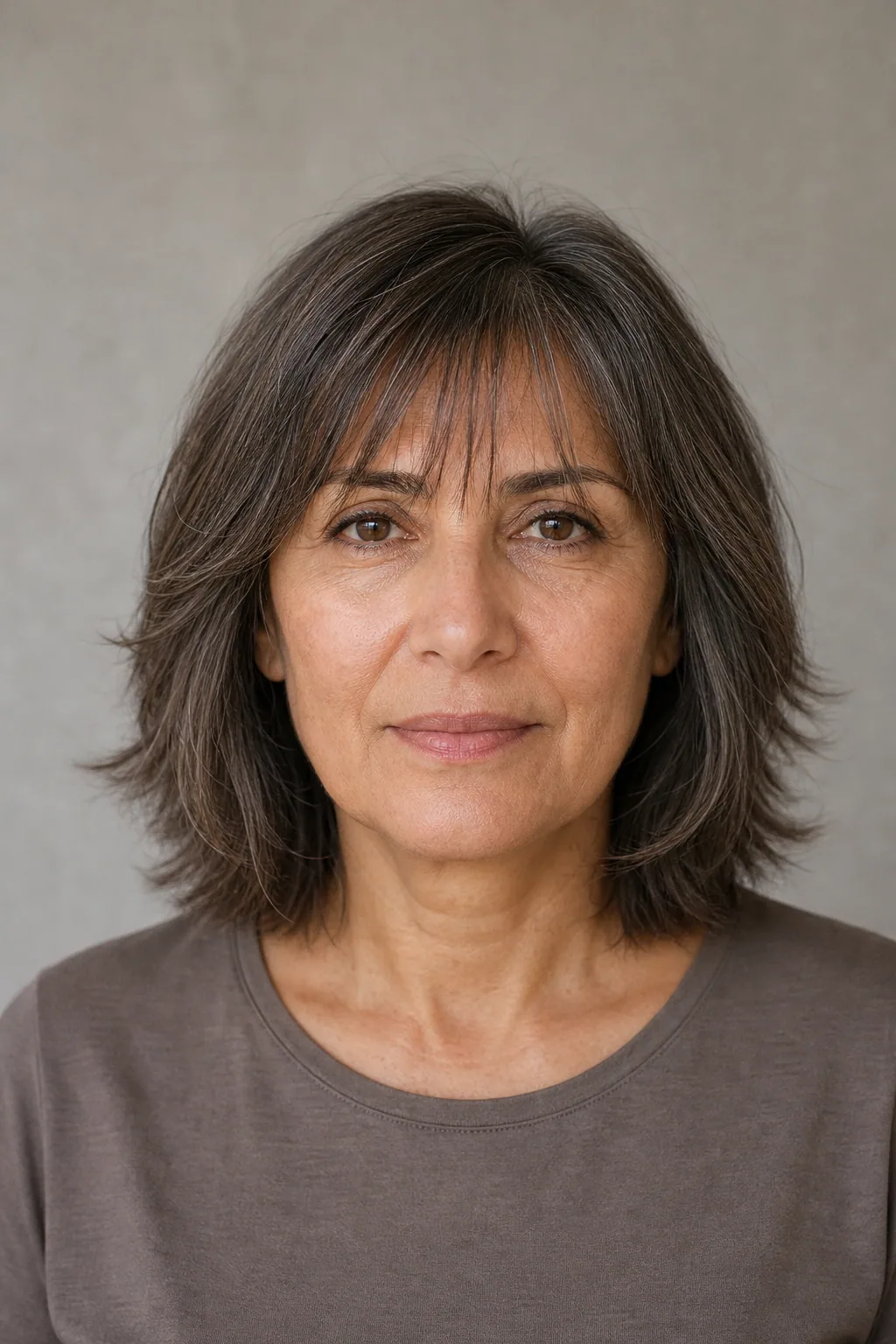
7. Butterfly-Layered Medium Cut With a Short Top Tier
Butterfly layers are two tiers: a short upper tier that starts around the cheekbone and a longer lower tier that keeps the length. The result is volume and movement at the face with a light, full hemline, and it is not a shag, because the ends stay smooth. It suits medium to thick hair in straight or wavy textures, and it is the one to skip on very fine hair, where the short tier looks sparse. Ask for "a short upper tier from the cheekbone and long, light ends."
Long Youthful Hairstyles Over 50
Long hair reads fresh when the weight sits at the hemline and the layers near the face are lightened, not when it is cut short for the sake of it. Length is a matter of how dense your ends are, not how old you are.
8. Long Cut With a Lightened Face Frame and a Full Hemline
The pieces around the face are cut shorter and lighter, from the chin down, so they float away from the cheeks, while the hemline is left full and slightly blunt. The weight in the ends stops the length from looking stringy, and the lightness in front stops it from pulling the face down. It suits long hair with dense ends. Ask for "a few face-framing pieces from the chin, and keep the length and the weight at the bottom."
9. Long Hair Set in Big Soft Waves
A set made with Velcro rollers about 2 inches wide, put in on damp hair at the root and left in until the hair is cool. The set lifts the crown and gives the hair a broad, soft wave that falls at the cheekbone, in about 10 minutes of work and 20 minutes of wait. It suits long hair of medium or thick density. Ask your stylist for "a soft set with big rollers, lifted at the crown," and learn which sections to start with before you do it at home.
Youthful Cuts for Wavy, Curly and Coily Hair
Texture changes in the 50s, so the youthful cut for wavy, curly and coily hair is the one shaped to the pattern you have now. Each of these is cut around the curl, not against it.
10. Wavy Cut With Layers Shaped Around the Cheekbones
Wave shrinks up as it dries, so the stylist cuts the layers a little longer than the final length and checks them dry, putting the movement where the waves fall at the cheekbone. The wave itself provides the volume, so nothing needs to be teased or sprayed. It suits fine to medium wavy hair. Apply a light cream to damp hair, scrunch and leave it alone, and ask for "cut to my wave, shaped at the cheekbone, checked dry."
11. Curly Rounded Shape Lifted Up Top, Close at the Sides
For curls, lift belongs at the top of the head, not at the sides, which make the face look wider. The cut is a rounded shape cut dry, curl by curl, with the top left longer and the sides kept closer to the head. A diffuser on low and a curl cream will do the rest. It suits spiral and loose curls. Ask for "cut dry, rounded, height on top, close at the sides."
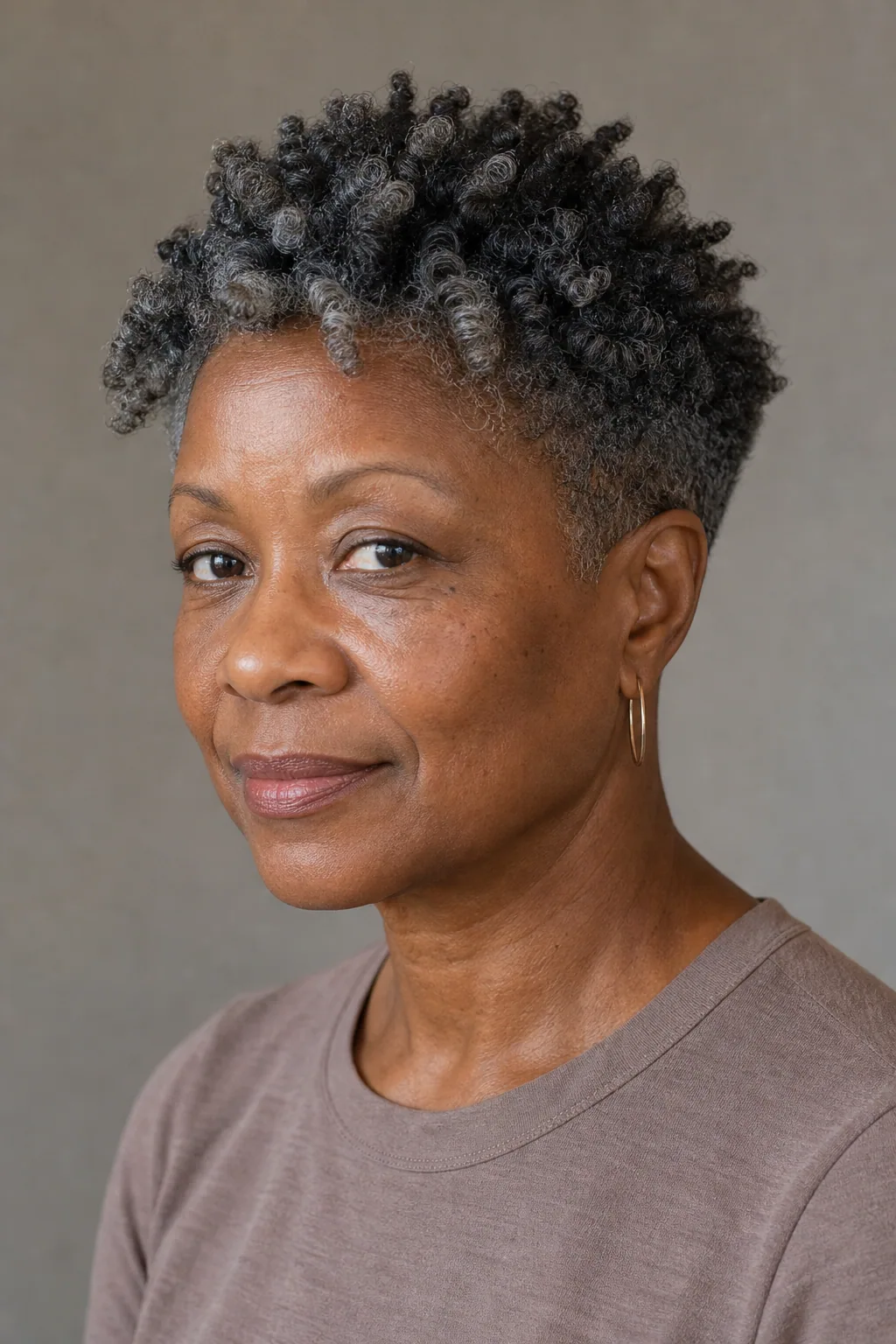
12. Twist-Out Worn Over a Tapered Coily Cut
A tapered cut leaves the sides and nape close and the top three to four inches long, which gives a twist-out a foundation. On wash day, the top is twisted damp, left to dry and separated, then picked at the roots to lift the crown. It suits tight coils with silver coming through. Trim every 4–6 weeks to keep the taper clean, and ask for "a clean taper at the sides and nape, length kept on top for the twist-out."
Silver Hair and a Fringe That Frames
Silver hair reads sharpest with a clean edge and a smooth finish, and a fringe works when it is thin enough to see through. The last two entries are about the places a cut meets the face.
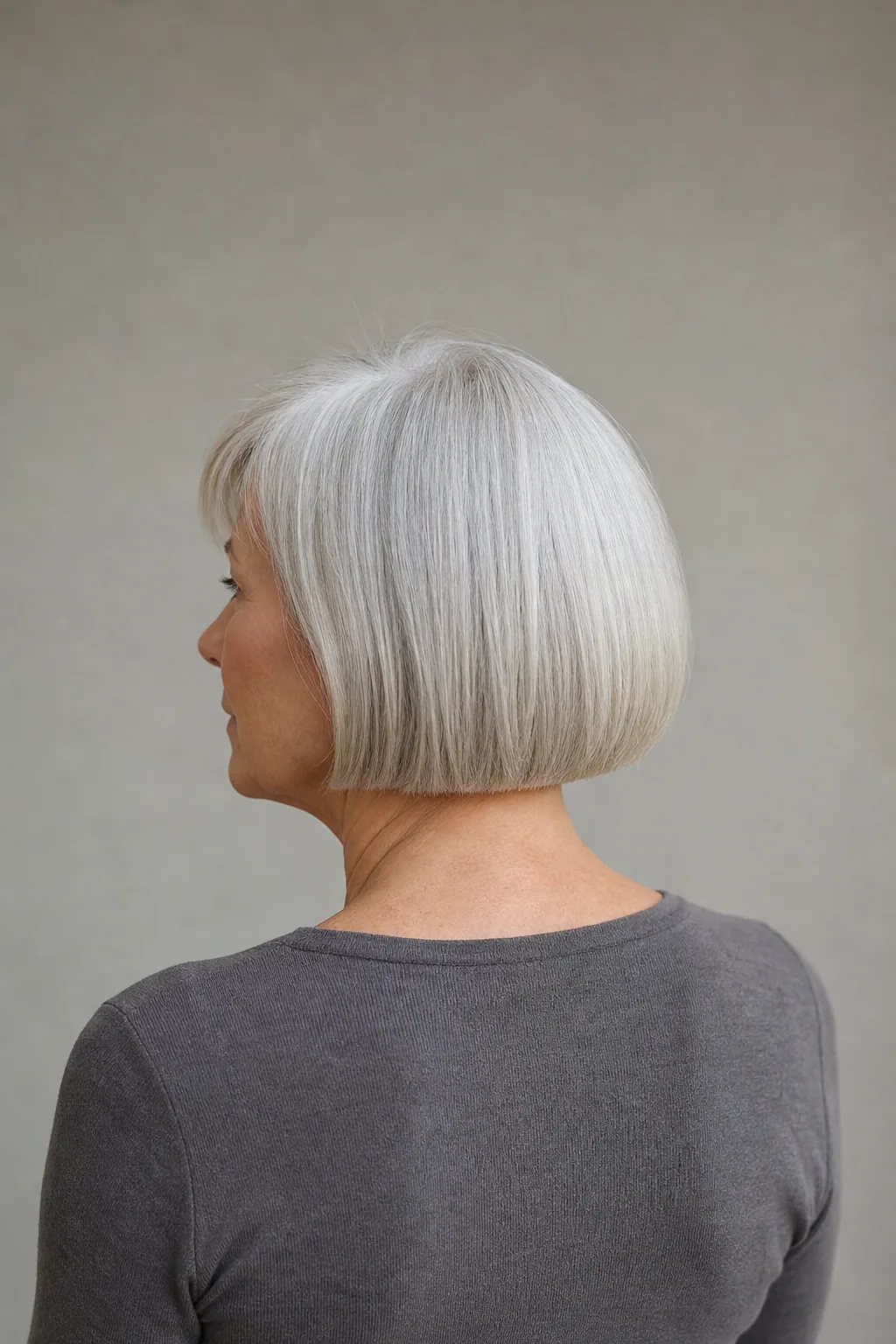
13. Silver Bob With a Crisp Edge and a Smooth Finish
Silver and white hair often grows coarser, so the cut here is a scissor-cut line at the jaw or just below it, with the finish blown smooth with a flat brush and a drop of smoothing cream. The edge is what gives the color its polish. Ask your colorist about a clear gloss, which adds shine without changing the color, and see our guide to gray hairstyles for more cuts. Ask your stylist for "a crisp scissor-cut edge, no razor."
14. Feathered Fringe That Stops at the Brow Bone
A wispy, see-through fringe cut from a narrow triangle at the front hairline, so it skims the brows and lets the forehead show through. It lifts the eye and frames the top of the face, which is why it works for women with a high forehead. It needs a trim every 3–4 weeks and is the one to skip on a strong cowlick. Ask for "a thin, feathered fringe to the brow bone, cut dry."
If You Wear Glasses
Glasses add a horizontal line, so a fringe has to clear the top rim and the sides have to clear the arms, and a youthful cut is no exception. Entries 1, 3 and 14 work best with thin or rimless frames; with bold frames, choose the side-swept lob (4) or long layers kept behind the arms. The frame-by-frame rules are in hairstyles over 50 with glasses.
What a Haircut Can't Do
A haircut moves where the eye lands, and that is all it does: it cannot add density, change hair color or stand in for condition. Brightness, shine and the health of the ends all change how a cut reads, and a good cut on dull, dry hair will still look flat. Gloss and color are a colorist's work, not a cutter's; for gray hair that is dull or yellowing, see how to go gray for the choices to discuss.
If you take one thing from this page, make it the three places: crown, cheekbone and jaw. Everything else is about which cut puts them there for your hair.
Choose by Face Shape
Face shape decides where the movement should land, and the three places stay the same. For the full method of finding yours, see how to choose a haircut for your face shape.
Feathered, soft pieces take the edge off the jaw corners
A blunt line that ends at the jaw
Heart
5, 7, 11
Fullness at the jaw balances a wider forehead
Lots of volume at the temples
Long
5, 10, 11
Width at the sides and a fringe shorten the face
A tall top with no fringe
Choose by Hair Type
Match the cut to two different things: strand thickness (fine or coarse) and density (how many hairs there are).
Fine hair (narrow strands, any density): keep the outline solid and put lift at the crown, not many layers. Entries 1, 3 and 6. Skip the butterfly tier (7), which can look sparse.
Thick or coarse hair: weight comes out from inside and the movement starts at the cheekbone. Entries 7 and 8.
Wavy hair: cut for the wave you have, ideally dry. Entry 10.
Curly or coily hair: height on top and a taper at the sides. Entries 11 and 12.
Gray, silver or white: clean outlines and scissor-cut ends. Entry 13, and see gray hairstyles.
What to Ask Your Stylist
Bring photos of the cut from the front and the back, and name the three places, because "something youthful" gets you the default bob. Say these out loud:
"Build lift into the crown. I don't want the top lying flat."
"Put the movement at the cheekbone, with the first layer at the lips or the cheekbone."
"Nothing blunt at the jaw. Soften or feather the ends."
"Point-cut ends and no razor, because my hair is coarse or fine."
"Move the part half an inch and show me how to style it."
"Show me how it looks when it's dry, and tell me when the next trim is due."
Maintenance and Styling Reality
A youthful cut needs a regular trim, because the lift disappears when the layers grow past the place they were cut to sit. Pick the trade-off that fits your week.
Cut (entries)
Trim every
Daily styling
Products and tools
Grow-out
Short cuts (1, 2, 3)
5–6 weeks
3–8 minutes
Root-lift spray; paste or cream
Passes through a short bob
Lob and shoulder cuts (4, 5, 6)
6–8 weeks (fringe 3–4)
5–15 minutes
Mousse; round brush about 1.5 inches
Easy
Butterfly cut (7)
7–9 weeks
10–15 minutes
Smoothing cream; blow-dryer
The upper tier needs shaping
Long cuts (8, 9)
8–12 weeks
10–20 minutes (set 20 minutes plus wait)
Velcro rollers; light-hold spray
Very easy
Wavy and curly cuts (10, 11)
6–8 weeks
5–10 minutes
Curl cream; diffuser on low
Soft
Coily twist-out (12)
4–6 weeks
10–20 minutes on wash day
Leave-in cream; pick
Slow, even
Silver bob and fringe (13, 14)
5–7 weeks (fringe 3–4)
5–10 minutes
Smoothing cream; flat brush
Easy to adjust
Frequently Asked Questions
What is the most youthful short haircut over 50?
A feathered pixie with lift built into the crown and soft pieces in front of the ears usually reads freshest, because it puts height on top and movement at the face. A cut that is short all over and flat on top does the opposite. Ask for the crown to be cut to stand off the scalp.
Does long hair look younger after 50?
No cut changes your age, and length has less to do with it than the condition of the ends and the weight at the hemline. Long hair reads fresh when the ends are full, the front is lightened and the crown has some lift. If the ends are thin and stringy, a collarbone cut will usually look fuller.
Do bangs make you look younger over 50?
A thin, feathered fringe that stops at the brow bone lifts the eye and frames the face, and that is why it is popular. A heavy, blunt fringe usually does the reverse. Skip a fringe if you have a strong cowlick at the front, and ask for it to be cut dry.
Which layers are most youthful over 50?
The first layer decides it: starting at the lips or cheekbone gives movement at the face and leaves the ends full. Short layers high on the head look choppy on fine hair and spread it thin. If your hair is thick, ask for the weight to be taken out from inside.
Can the wrong cut make gray hair look dull?
Yes, because gray often grows coarser and shows every frizzy end. A scissor-cut edge, a smooth finish and a clear gloss from your colorist give it polish. Razored ends make it worse.
How often should a youthful cut be trimmed?
Every 5–8 weeks for most of these cuts, and every 3–4 weeks for a fringe. The lift goes when the layers grow past the place where they were cut to sit. Book the next visit before you leave.
Do youthful haircuts work on thin hair?
Yes, if the height is cut in and not just sprayed on, and the outline stays solid so the ends look full. A cut changes how full hair looks, not how much there is. If your hair is thinning suddenly or in patches, see a board-certified dermatologist.
Results vary with hair type, density, texture and face shape. This guide is educational and is not a substitute for an in-person consultation with a licensed stylist.
 Grace